Please turn your device to portrait.
For over a decade, Somfy has been committed to reducing its environmental impact, making eco-design a core element of its strategy and product development.
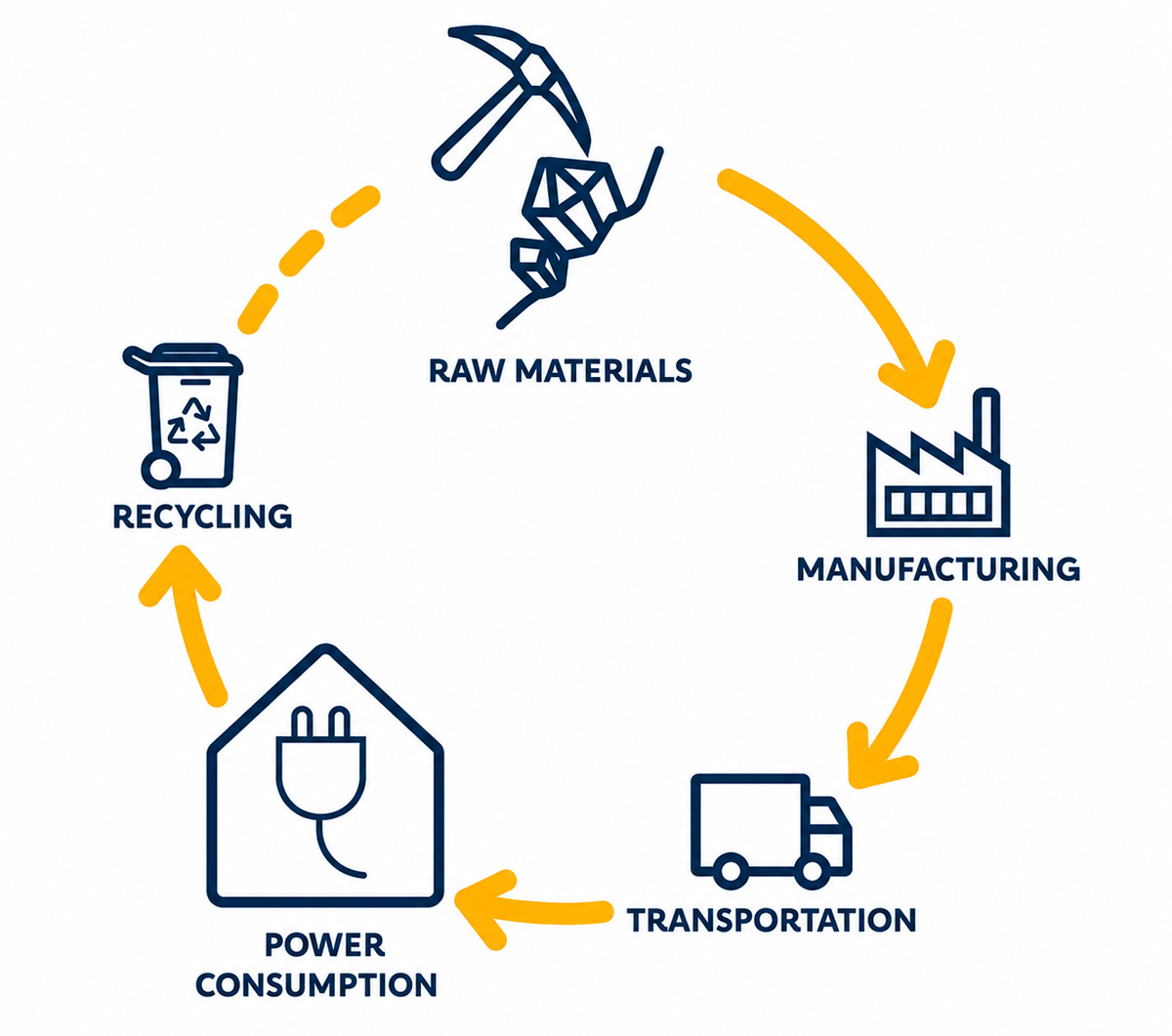
Since 2015, Somfy has been a leader in the industry in adopting an eco-design approach based on a multi-criteria analysis (low electrical consumption, durability, substances, EPD). The focus of this approach has been to minimise environmental impact throughout the product life cycle.
Somfy’s eco-design standards are central to its industrial processes, prioritising the product phases that have the greatest environmental impact.
“Our objective is to ensure that 100% of our sales come from products following an eco-designed approach by 2030,” said Mary Ladu, Marketing Manager for Somfy Oceania.
Somfy’s approach is based on five criteria:
As part of Somfy’s eco-design commitment, products meeting these standards receive the PEP Ecopassport, which assesses the rigorous environmental impact calculations (www.pep-ecopassport.org).
“With over 200 PEP Ecopassport sheets, covering nearly all of our best-selling products, Somfy offers one of the most extensive Environmental Product Declarations for motors on the market, providing our customers with high valuable environmental data,” added Ladu.
“Further, Somfy doesn’t limit the eco-design approach to a single product range. Instead, we are committed to eco-designing all our products to reduce their environmental impact.
“The list of eco-designed products has grown to include motors, sensors, remote controls, and accessories.”