Please turn your device to portrait.
In one of the biggest strategic shake-ups in the Australian window furnishings industry this year, Hunter Douglas has announced a major investment in family-run brand Wynstan and the relocation of Vertilux manufacturing from Melbourne to Sydney. Window Furnishings Australia sat down with APAC CEO Ricardo Vasques to unpack the thinking behind these moves, what they mean for customers and partners, and how Hunter Douglas intends to position itself for future growth while reaffirming its long-standing commitment to the Australian market.
WFA: Wynstan is a family-run business with strong brand identity. How do you intend to preserve this culture under corporate ownership?
Ricardo Vasques: This is exactly one of the reasons we were drawn to Wynstan in the first place. We’ve been in Australia for over 70 years now, and over that time we’ve learned that the best partnerships happen when you respect what makes a business special rather than trying to change it.
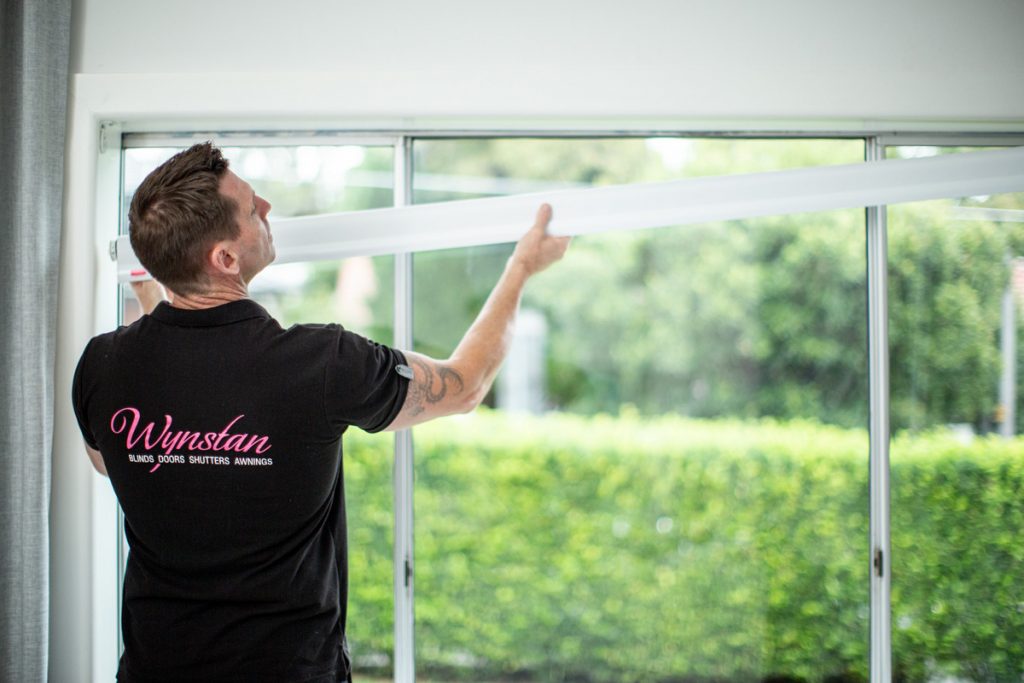
The Wynstan brand and everything people love about it will be staying put. It will continue to be a family-operated business under a partnership structure with Hunter Douglas, with the family still involved in the company’s leadership. Our investment in Wynstan is about preserving the company’s strong brand identity – along with its strong talent and customer relationships, while enabling it to benefit from the scale and expertise of the Hunter Douglas global network.
We are also delighted that Andrew Turner is continuing as Australian CEO. His 25 years of industry experience and deep understanding of the Wynstan business make him invaluable to this partnership. The Turner family has created something remarkable over 57 years, and Hunter Douglas is here to support and accelerate that business growth story further.”
WFA: You state the Shop-at-Home channel will operate as a standalone business. How will this be enforced in practice, and what structural safeguards are in place to prevent channel conflict with existing partners?
RV: Partnering with Wynstan is part of our broader global business strategy to grow within all segments of the window coverings market while continuing to invest in our premium offerings and support our channel partners, reducing channel conflict. This has been demonstrated by our previous acquisitions in Australia, operating within distinct segments of the market.
Wynstan is a complementary addition to our growing portfolio of uniquely positioned brands, each offering products and services for different consumer segments.
WFA: Does this investment mean Wynstan will now have preferential access to Hunter Douglas product lines or innovations, potentially disadvantaging others?
RV: As mentioned before, Wynstan operates as its own entity – completely independent from the Hunter Douglas Australia and the Luxaflex business.
WFA: What role, if any, will the Turner family retain in the company post-acquisition—are they still driving decision-making?
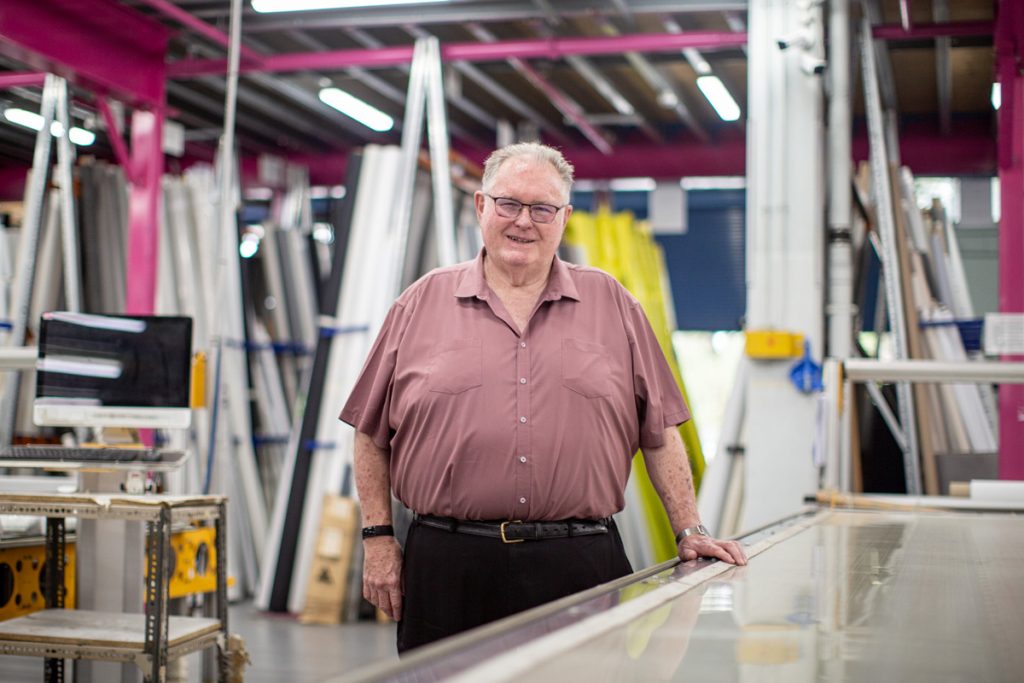
RV: Andrew Turner is continuing as Australian CEO, therefore the family’s involvement in leadership and decision-making continues. Bruce Turner, the founder, is retiring after 50 incredible years with the business, but Andrew brings that same family heritage plus 25 years of experience.
WFA: You claim this investment won’t change Hunter Douglas’ relationship with other partners; how can you guarantee that when you’re backing a direct-to-consumer competitor in the same market?
RV: We understand the concern, and we want to be clear: this investment is about expanding the market, not replacing relationships. The Luxaflex Dealer network is by far our most important channel and the one we invest most of our time and money into with product, manufacturing, and marketing development and programs – it is our key focus.
Hunter Douglas has always believed in the strength of a diverse channel strategy, and this move is designed to complement – not compete with – our existing partnerships. We’re not trying to move customers from one channel to another. We’re trying to meet a diverse range of customer needs across the Australian window coverings market.”
WFA: Will Wynstan retain its manufacturing independence, or will it be rolled into Hunter Douglas’ broader operational model?
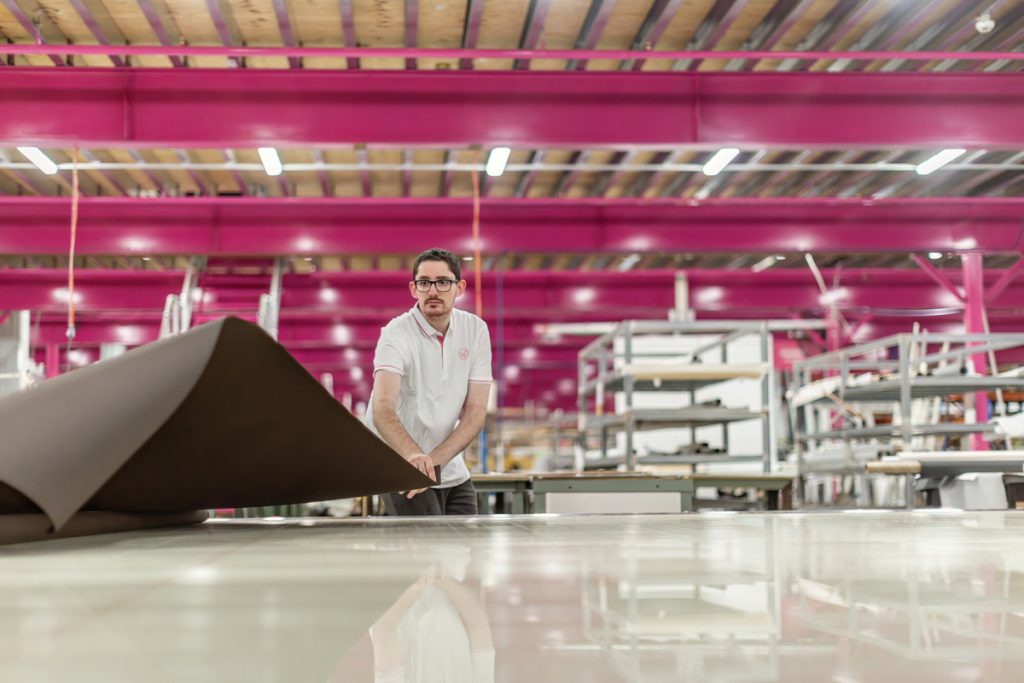
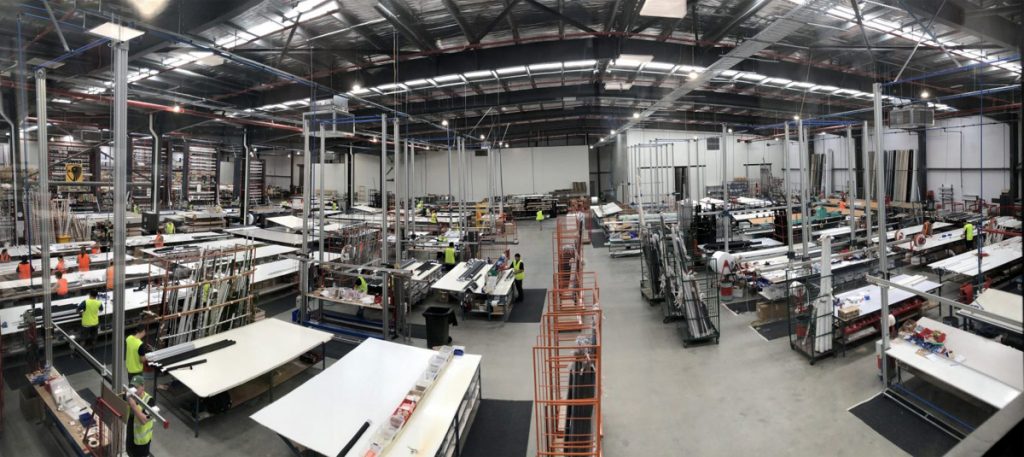
RV: Wynstan will continue manufacturing locally at their facility in Yennora, NSW.
WFA: How has the decision to acquire Wynstan been received by the market?
RV: The market has responded very positively to Hunter Douglas’s investment in Wynstan. It’s seen as a strategic move that creates value for both organisations – Wynstan gains the financial backing and strategic support to accelerate its growth plans, while Hunter Douglas strengthens its presence in the Australian market through partnership with a respected, high-performing local brand.
WFA: Are there plans to roll out the Wynstan model in other APAC markets, and if so, does this signal a larger shift toward vertical integration in your regional strategy?
RV: Every market is different, and we are fully aware that what works well in one region may not translate directly to another. Our focus for now is on making this partnership a success in Australia.
WFA: Onto the closure of the Melbourne Vertilux manufacturing facility, how many jobs will be lost as a result of this decision, and what assistance is being offered to affected employees?
RV: Any time you make changes like this, people are affected, and we don’t take that lightly. We’re working hard to redeploy as many people as possible to our Rydalmere facility. Where we can keep people, we absolutely will.
For those who are affected, we’re providing comprehensive support through the transition. This isn’t about performance or capability – it’s purely about operational efficiency. These are good people, and we’re committed to helping them through this change.
WFA: Why is Hunter Douglas closing a long-standing Australian manufacturing facility with such a great reputation for quality?
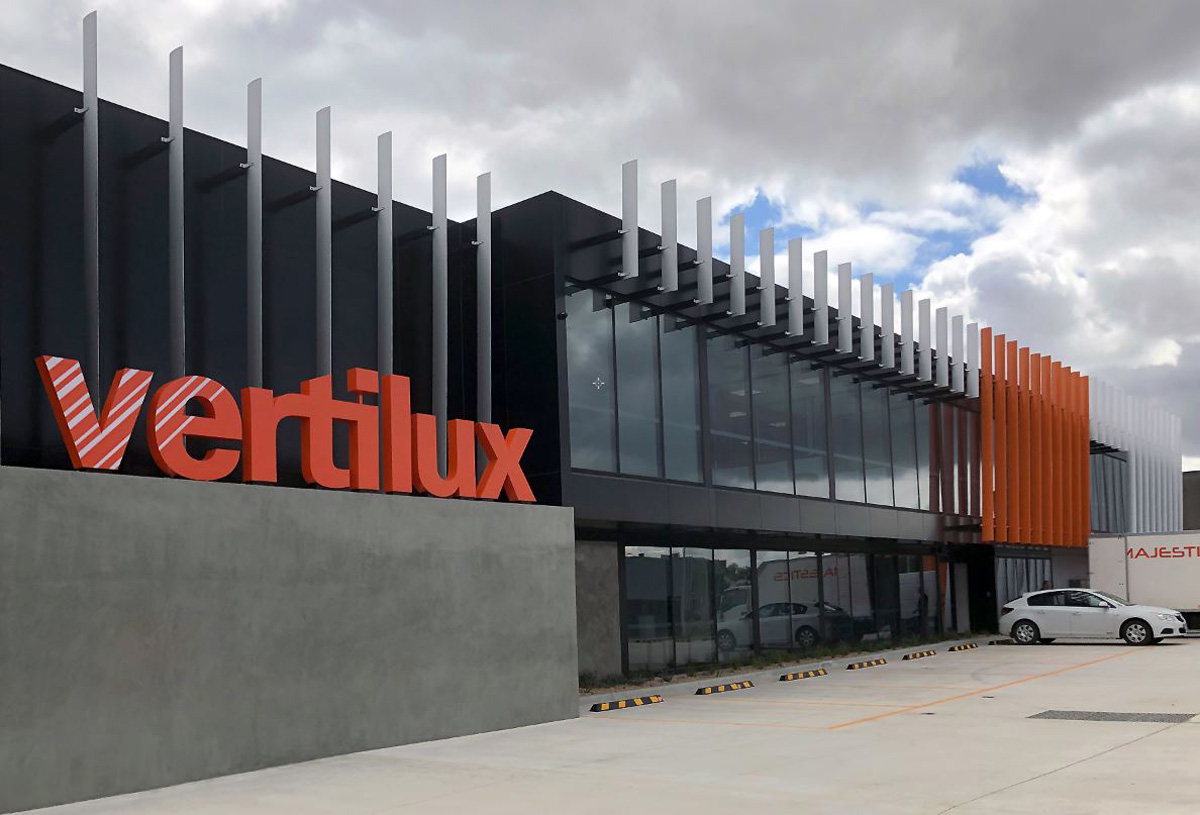
RV: It’s not a closure – it’s a relocation and consolidation. We’re moving all our Vertilux production from Keilor Park in Melbourne to our Rydalmere site in Sydney. The idea is to create what we’re calling a “production supersite” where we can invest in better equipment and more efficient processes. While the facility is changing location, our commitment to quality, customer service, and the Vertilux customer base remains the same. This complete relocation will encompass all manufacturing operations – including the processes, equipment, and tooling that have been integral to Vertilux’s success.
WFA: How do you reconcile the closure with your stated commitment to the Australian market? Doesn’t this signal a retreat from local production?
RV: Actually, it’s the opposite. We’re consolidating to strengthen our Australian manufacturing, not reduce it. Instead of having production spread across two sites, we’re putting everything into one facility where we can really invest in state-of-the-art equipment and processes.
Hunter Douglas has been committed to Australian manufacturing for over 70 years, and we’re not going anywhere. This move is about making our Australian operations more competitive and efficient.
WFA: What assurances can you give specifiers and commercial clients that the quality and compliance of Vertilux products will remain consistent after production is moved offshore?
RV: We understand how important product quality and compliance are to our specifiers and commercial clients – and we want to assure all that those standards remain non-negotiable, regardless of location. Hunter Douglas has always maintained a strategic balance between local and offshore manufacturing to ensure we deliver the right product ranges to our partners. We leverage the strength of our global manufacturing network – including facilities across North America, Europe, and Asia – to provide flexibility, efficiency, and consistency in meeting market demands.”
WFA: Was this decision purely cost-driven, and if not, what other factors led to the conclusion that Keilor Park was no longer viable?
RV: The decision was all about creating efficiencies that allow us to reinvest in innovation and product quality so we can better service to our customers.
WFA: Will clients experience longer lead times due to overseas shipping?
RV: We remain committed to delivering the same level of value and service to our customers, regardless of production location.
WFA: Is there a risk of reputational damage among architects and designers who have long trusted Vertilux as a premium Australian-made brand?
RV: Vertilux’s brand strength and reputation extend well beyond the Australian Made label. Our success has been built on a foundation of agility, exceptional quality, and unmatched service – values that remain at the core of everything we do. We fully understand the significance of this relocation and the risks involved, which is why every aspect has been carefully planned and executed with precision. Our commitment to delivering the same high standards our clients expect is unwavering, regardless of where production takes place.
WFA: With this consolidation, should the industry now expect further closures or outsourcing from other parts of the Hunter Douglas Australia network?
RV: As said before, the focus is on optimising how we work to better serve our customers and partners across Australia.
Hunter Douglas has a 70-year history in the Australian market, and Vertilux has been a trusted name in the commercial specification space for over 35 years. Our commitment to the Australian market is stronger than ever, and the Rydalmere supersite reflects our continued investment in local capability, innovation, and long-term growth.