
Please turn your device to portrait.
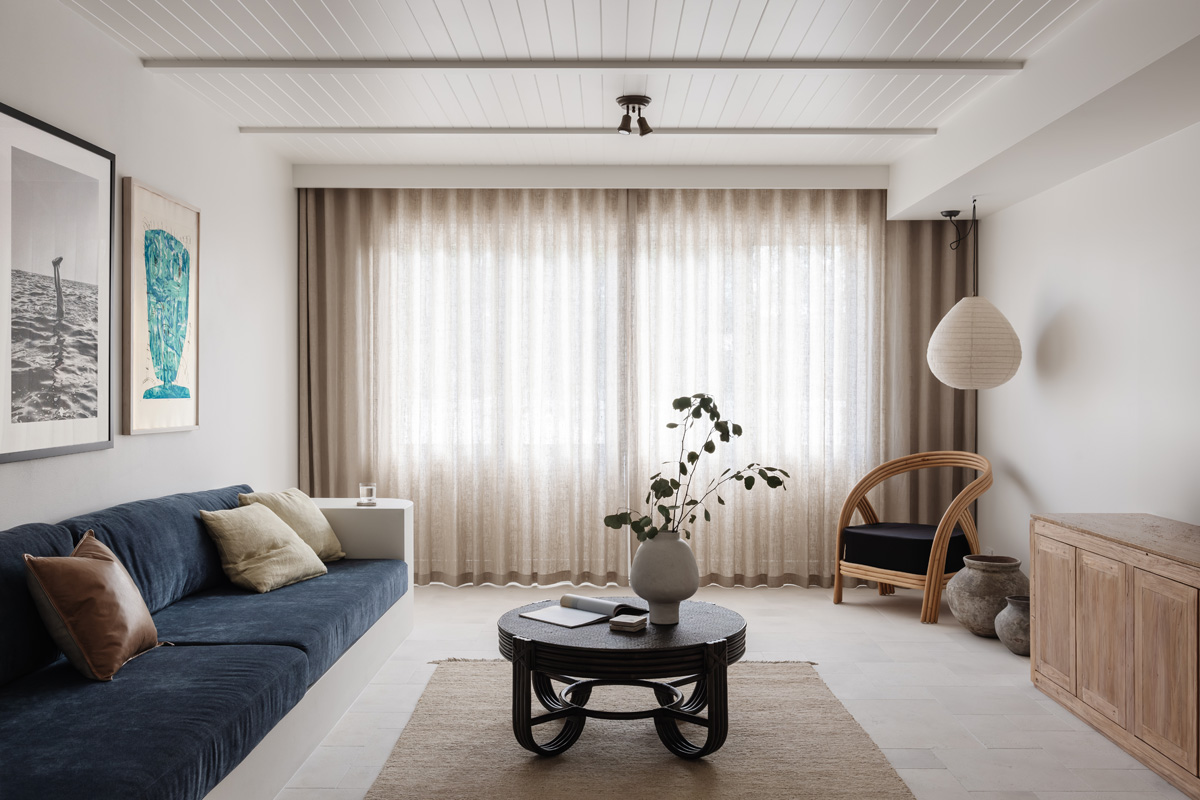
With Heimtextil 2026 signalling a move toward natural fibres, tactile surfaces and warmer earthy palettes, Australian window furnishings suppliers are reading the same signals and translating them into product strategies built for the local market.
The Frankfurt fair’s dominant themes this year – encapsulated by handcraft aesthetics informed by AI-assisted design, sustainability embedded in material choice, and a rejection of cold minimalism in favour of organic warmth – map closely onto what two of Australia’s leading suppliers are bringing to dealers in 2026. The direction is consistent: texture over flatness, warmth over neutrality, performance over decoration.
Luxaflex
“Last year’s approach leaned into minimalism and simplicity, but 2026 expands into a more expressive and sensory direction as designers and homeowners are favouring depth, tactility and warmer tones to create environments that feel cocooning and emotionally supportive,” says Diana Altiparmakova, Head of Product and Marketing at Luxaflex Window Fashions.
That shift is informing both the colour palette and the product mix Luxaflex is leading with this year. Altiparmakova identifies warmer neutrals (cashmere cream, warm sandstone, oatmeal, soft mushroom and muted greens) as the foundation palette, with accent colours including dusty rose, clay, muted berry and gentle cinnamon providing layering depth. “Warmer neutrals help to maintain a soft and comforting ambience. To complement these calming hues, designers are incorporating subtle accents like dusty rose, clay, muted berry and gentle cinnamon, which work to add depth without overwhelming a room,” she says.
The company has organised its 2026 residential offer around three distinct design aesthetics: Luxe Farmhouse, Rustic Natural and Coastal Calm. The intent is to give dealers a framework for specification conversations, moving clients from vague mood-board references toward specific product choices.
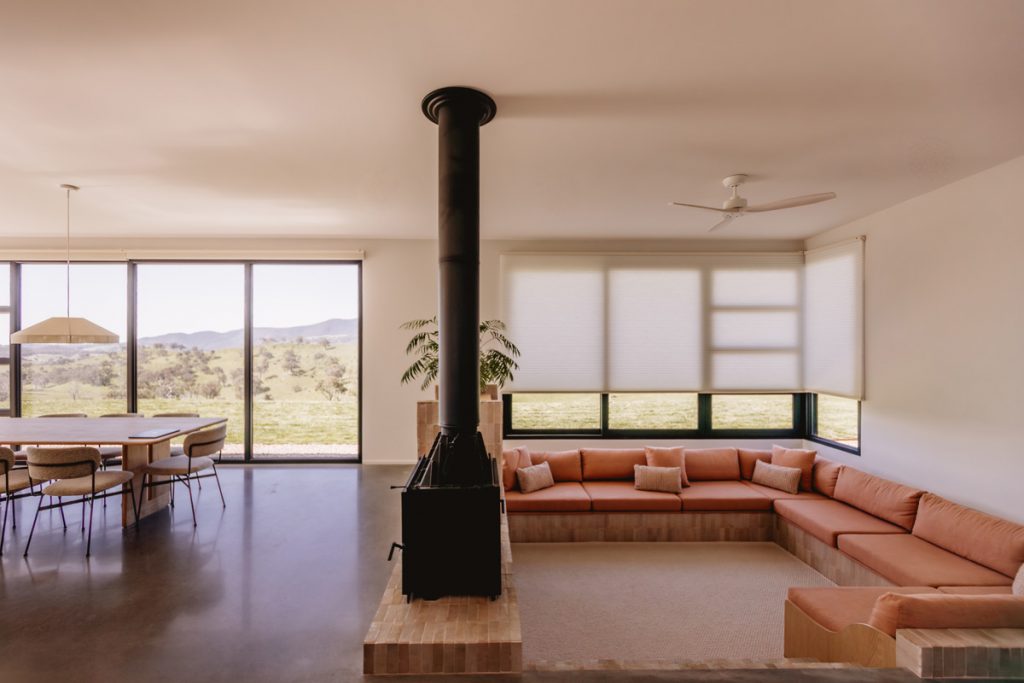
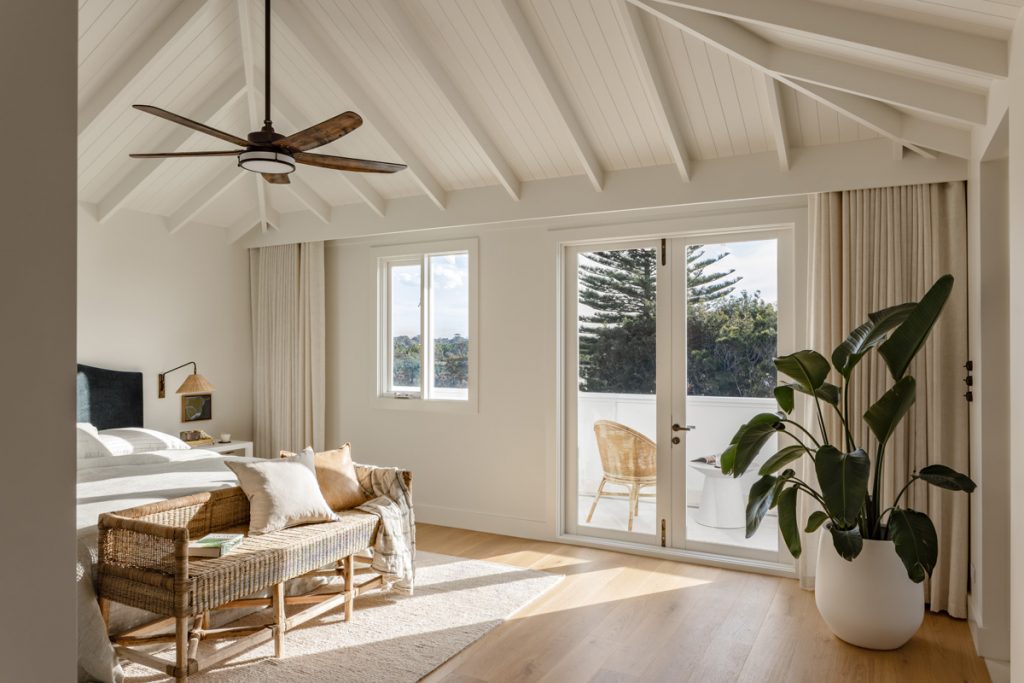
Luxe Farmhouse positions warmth and texture as compatible with refined finishes. Rustic Natural leans into materiality and organic form. Coastal Calm translates the established Australian appetite for light-filled interiors into a palette that is warmer and softer than the bleached-white coastal look of previous years.
Across all three aesthetics, the Luxaflex Silhouette Shadings feature prominently. The light-filtering product with its floating vane construction addresses a persistent specification challenge in Australian residential builds: managing solar heat and glare through large glass expanses without sacrificing natural light. “Maximising natural light plays an important role in creating comfortable, well-balanced homes,” Altiparmakova notes.
Layering (combining product types across a single window) is central to the Luxe Farmhouse and Coastal Calm aesthetics. Luxaflex Sheer Curtains paired with Luxaflex Duette Shades offer both the soft, flowing visual quality that current design direction favours and the practical energy efficiency that NCC compliance increasingly demands. The Luxaflex LumiShade, which occupies a position between a vertical blind and a soft furnishing, extends the layering vocabulary into larger openings.
Motorisation sits underneath all of it. Luxaflex PowerView Automation is positioned not as a premium add-on but as the expected delivery mechanism for layered window treatments, managing multiple product types across a space from a single interface. “Window coverings in 2026 aren’t just about blocking light or adding privacy, they’re about shaping atmosphere, improving comfort and supporting wellbeing,” Altiparmakova says.
The wellbeing framing marks a meaningful shift in how Luxaflex is asking dealers to position the category. Rather than leading with product function (light control, privacy, energy), the pitch starts with how the space feels and works back to the specification.
Meyer Blinds
Where Luxaflex frames 2026 through design aesthetics, Meyer Blinds is approaching it through dealer infrastructure and product performance metrics. The centrepiece of the company’s offer is the Signature X Collection, a curated fabric range of 22 lines, 60 per cent of which are new, rebuilt with commercial sharpness in mind.
“We rebuilt the collection with our dealers in mind. It had to be easier to present, commercially sharper and aligned with what’s actually being specified,” says Simon Meyer, Managing Director.
The curation logic is deliberate. Rather than expanding choice, Signature X reduces it: tightly edited ranges across Roller Blind and Curtain fabrics that dealers can confidently display and sell without overwhelming clients. Sustainability is embedded in material selection: the Eden X fabric is constructed from 100 per cent recycled yarn, while Levan incorporates 43.6 per cent recycled content. Both sit within the natural and textured aesthetic direction consistent with this year’s international trend signals.
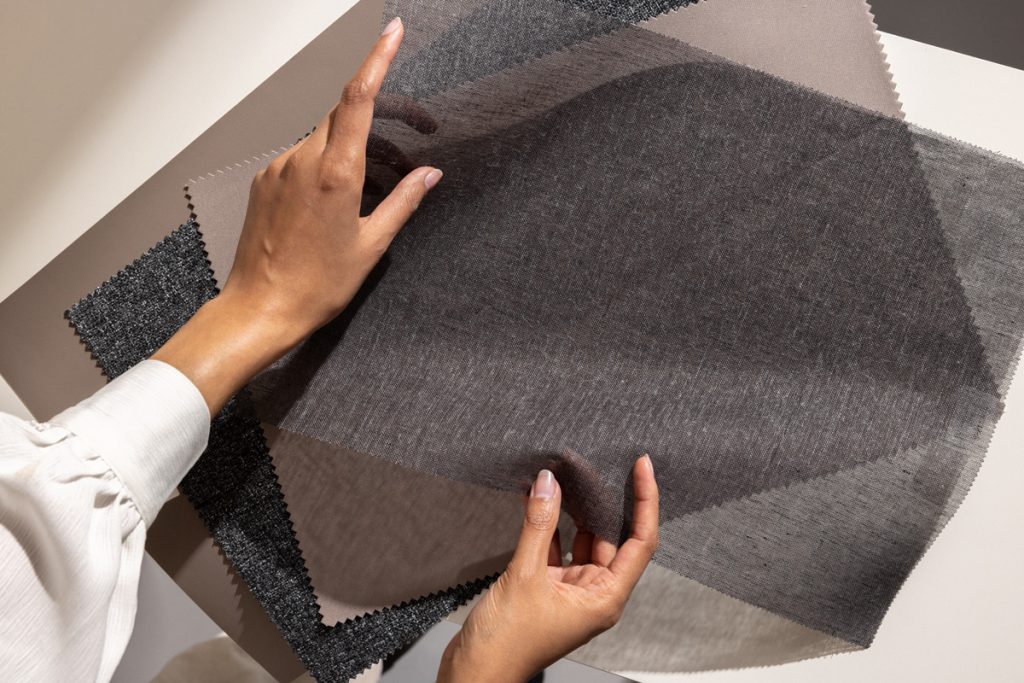
The Simply Natural Woven Blinds extend the texture focus into a distinct product category, while the Timber Venetian Blind range (available in architectural stain finishes) addresses the rustic natural aesthetic territory from a different material starting point. Both play to the tactile direction coming out of international trend forecasting without requiring dealers to explain global trend context to clients.
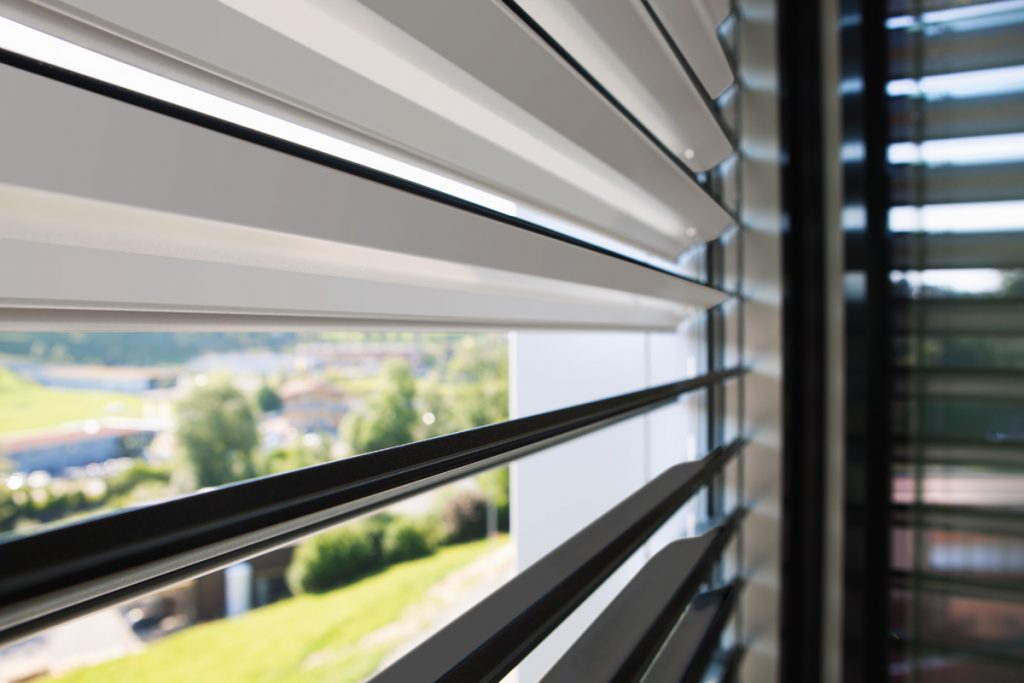
The more technically distinctive component of Meyer’s 2026 offer is its external shading programme. The company holds exclusive Australian distribution of Griesser External Venetian Blinds, a product with a measurable heat performance specification: 93 per cent solar heat block, with associated claims of up to 50 per cent reduction in cooling energy costs. “When dealers can demonstrate measurable energy reduction, the conversation shifts from decoration to performance,” Meyer says.
The Griesser product incorporates BiColor Technology, which allows the outer face of the slat to carry a different colour or finish from the inner face, addressing the common conflict between external shading aesthetics and interior design intent. For dealers working with architects and specifiers on energy-conscious projects, the combination of documented performance metrics and design flexibility represents a specification tool rather than simply a product.
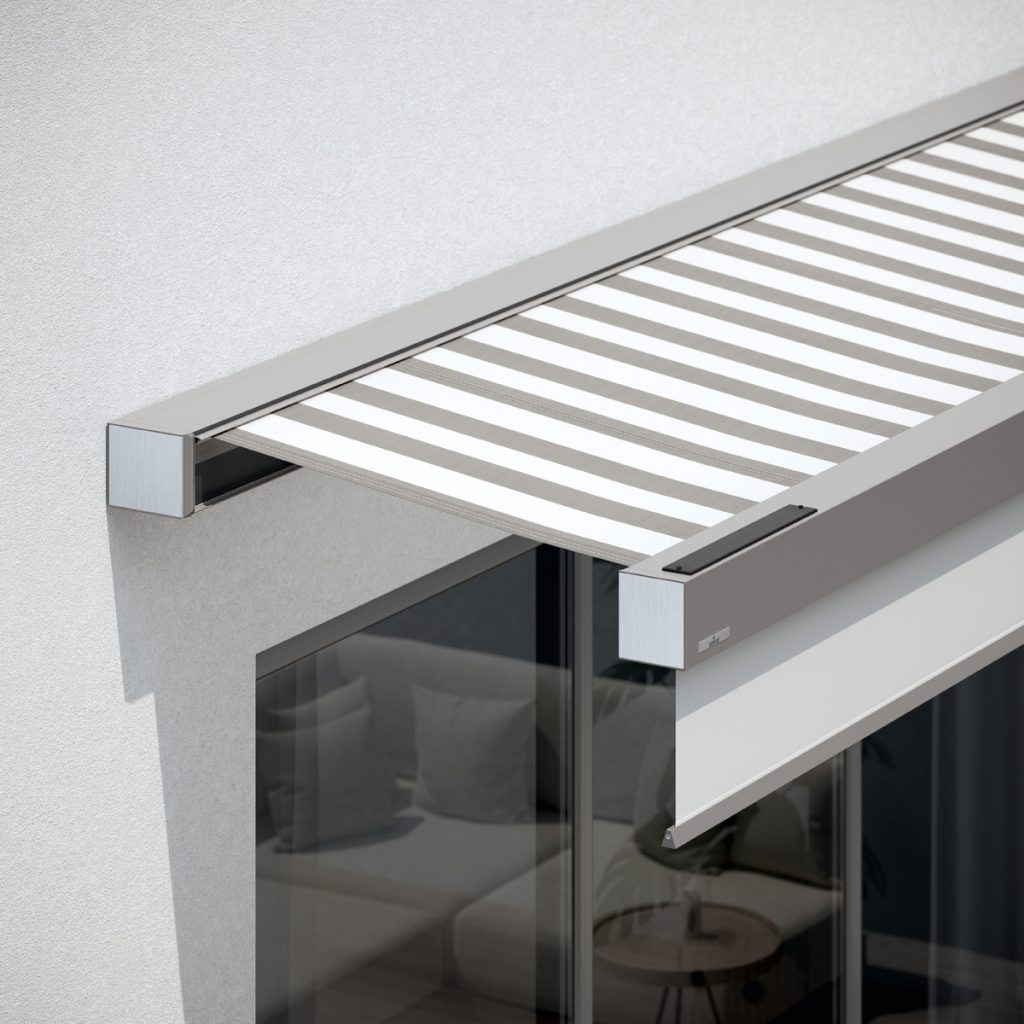
The outdoor living category extends through the Weinor Smaila Folding Arm Awning, a cassette-enclosed system with integrated LED lighting, addressing the ongoing Australian market appetite for functional outdoor shading that extends usable space. Silent Gliss Curtain Tracks, which Meyer distributes exclusively in Australia, complete the indoor coverage with motorisation-compatible Track systems that bridge soft furnishing and automation.
Motorisation frames the entire range offer. Meyer’s position is unambiguous: “Automation is simply part of modern living. Dealers who lead with it stay relevant.” The implication for dealers is that presenting motorisation as an optional upgrade is increasingly the wrong commercial posture. The question is which automation-compatible products to lead with, not whether to lead with automation at all.