
Please turn your device to portrait.
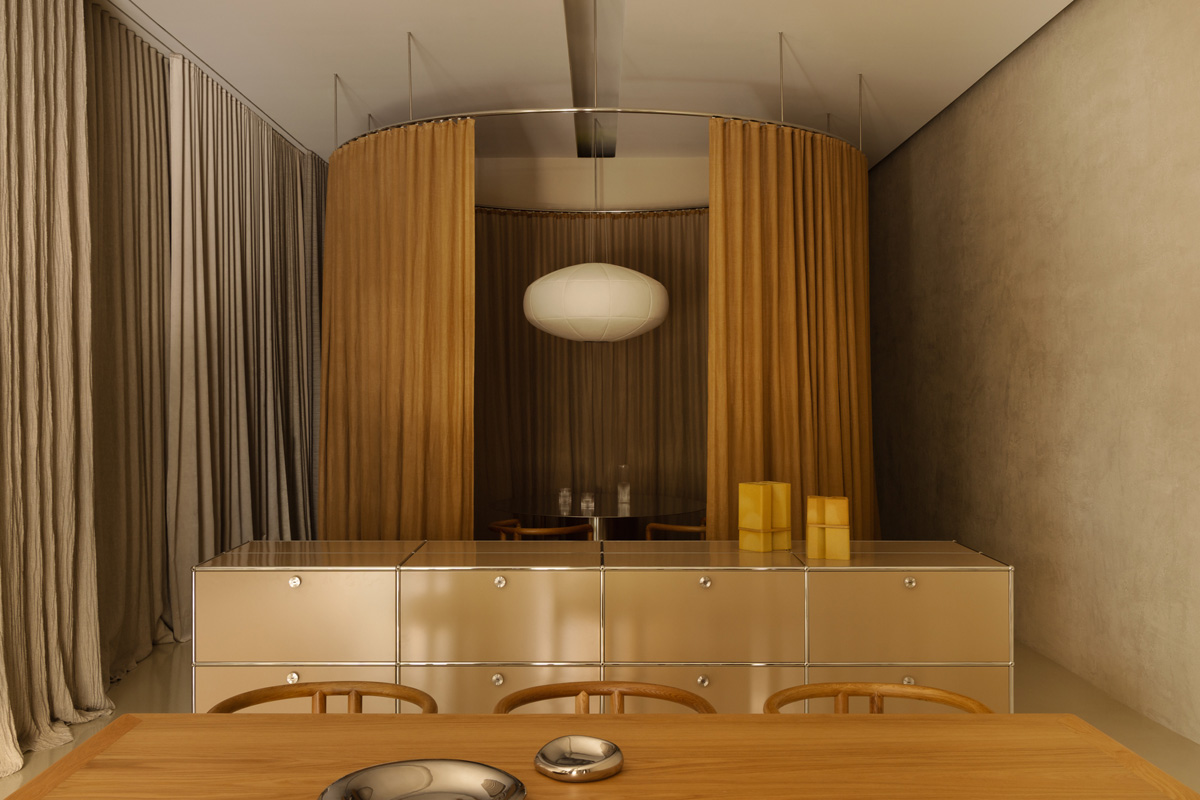
When a Melbourne window furnishings company built an architect-designed showroom in South Yarra, it wasn’t making a marketing decision. It was making a bet that human experience would outlast every efficiency the industry could automate.
As AI tools compress the transactional layer of the specification channel, the businesses investing in physical space and genuine relationships are building something that cannot be priced or replicated.
In March 2026, restaurateur Will Guidara joined Simon Sinek on the A Bit of Optimism podcast to discuss the one thing technology cannot manufacture. Guidara co-owned Eleven Madison Park during its ascent to the top of the World’s 50 Best Restaurants list. He achieved that not by reinventing what was on the plate, but by reinventing the experience around it. He called the practice “unreasonable hospitality”: the deliberate, disciplined work of making clients feel seen in ways that cannot be priced or copied.
His argument to Sinek was precise. As automation handles the transactional layer of business, the organisations that invest in human experience will be the ones clients cannot bring themselves to leave. Excellence has become a baseline expectation. Care is what clients cannot source elsewhere.
For the Australian window furnishings industry, where AI visualisers, instant quoting tools, and automated production systems are steadily compressing what was once a competitive advantage, that argument arrives at an uncomfortable moment.
A tightening market
Industry revenue has declined at a compound annual rate of 2.5% over the past five years, reaching an estimated $895 million in 2025 (IBISWorld). Import competition is intensifying. The tools of digital commerce are democratising product access in ways that place sustained downward pressure on price across the supply chain.
For businesses whose primary pitch has been price or range, the margin for error is narrowing. For those who have invested in what happens around the product, the calculation looks different.
A hospitality decision
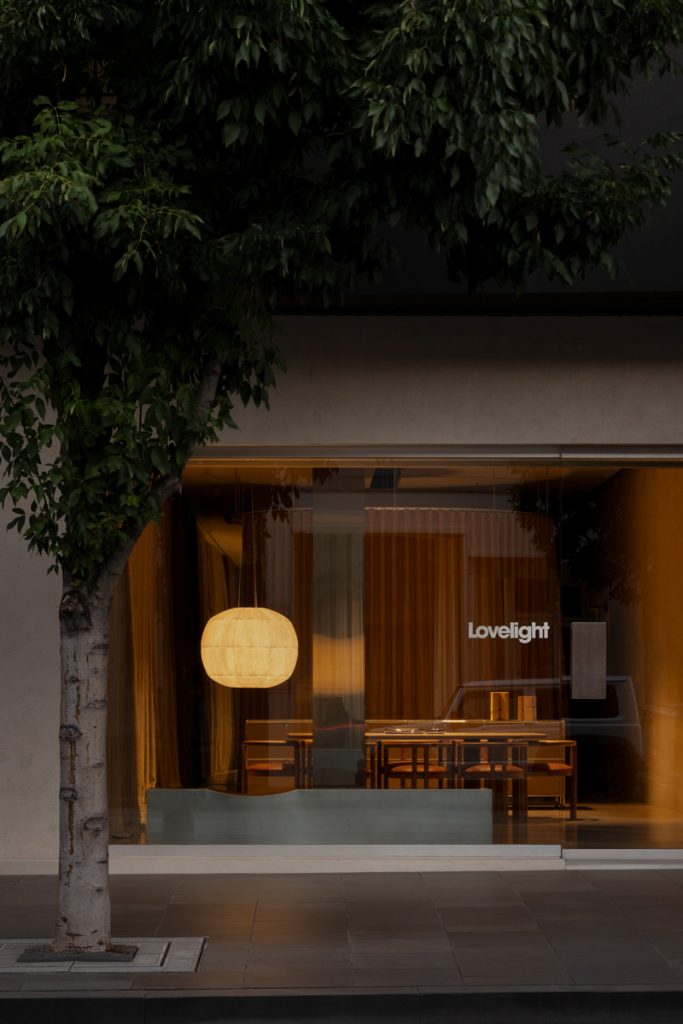
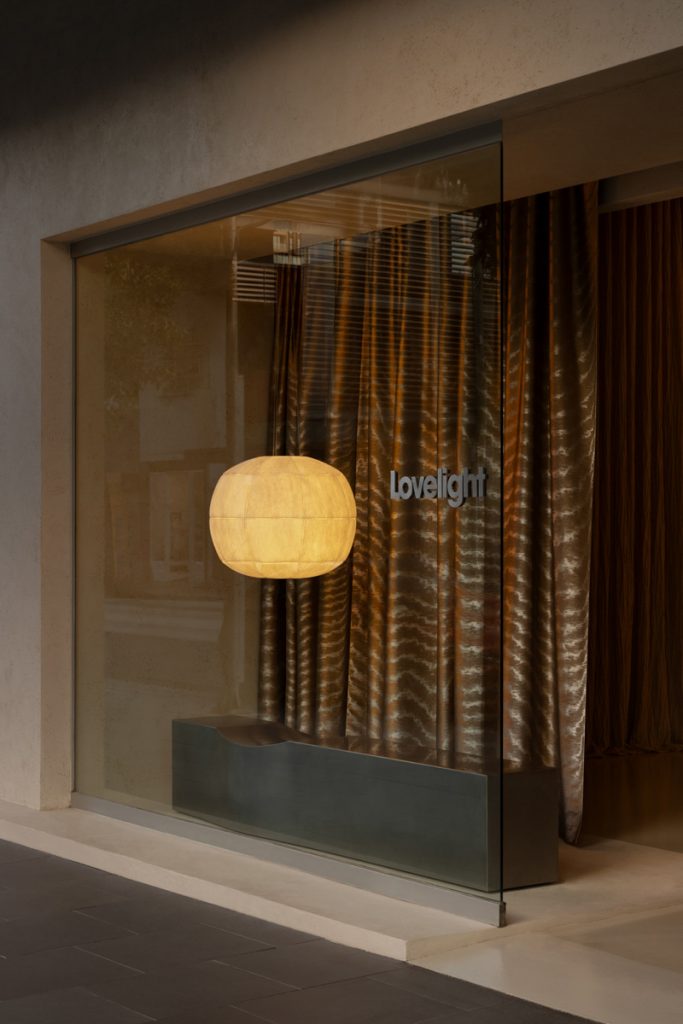
Jason Lewis, Managing Director of Lovelight, describes the philosophy behind the company’s architect-designed South Yarra showroom in terms that Guidara would recognise immediately.
“The showroom wasn’t a marketing decision,” Lewis says. “It was a hospitality decision. We wanted to own that moment properly.”
The moment he’s referring to is the critical inflection point in every high-specification project: when an architect or designer needs to see, touch, and feel the product before committing. For years, Lovelight had to send those clients somewhere else. To spaces that may or may not have represented the range accurately, or to a handful of samples on a desk.
“We kept asking ourselves: if our whole philosophy is about the quality of the experience we deliver, why does the most important moment in the decision process happen somewhere we have no control over?”
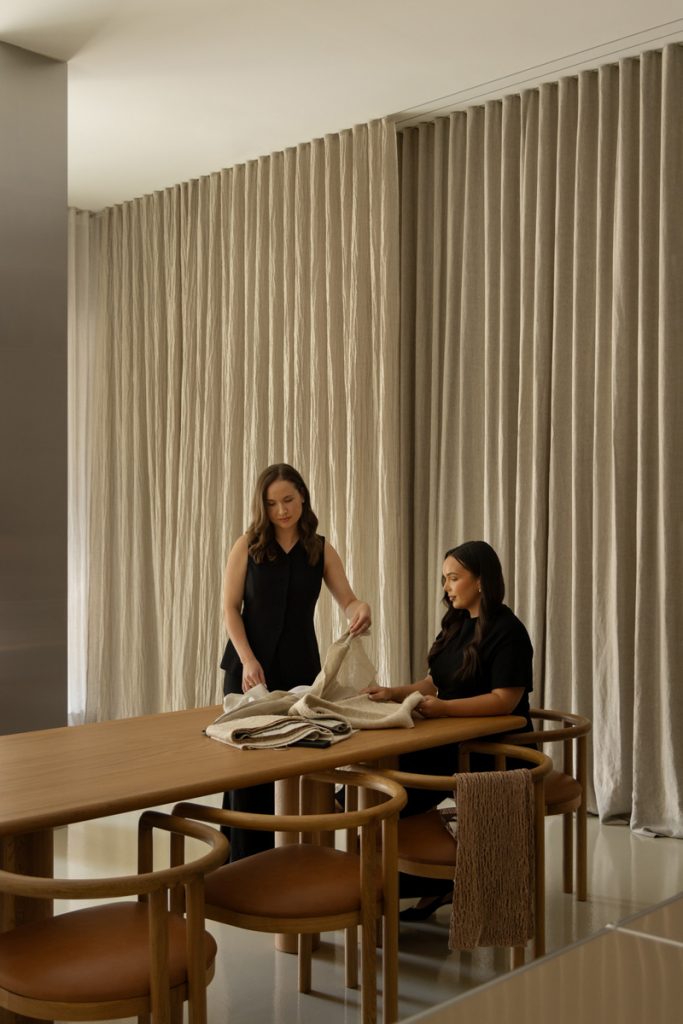
The showroom serves architects, interior designers, developers, and builders at the specification stage: clients who are not browsing but solving a problem. What Lewis wants them to experience is not primarily a product display.
“They sit down, they feel the difference between materials in their hands, they see how things behave in real light,” he says. “And they leave thinking: I know exactly who to call when the next project comes in. Not because we sold them something, but because we made them feel like their project mattered to us as much as it did to them. The product is almost secondary. What we’re really creating in that visit is confidence and trust.”
Why AI makes this more valuable, not less
What makes Lovelight’s investment instructive is the context in which it was made. The tools being deployed across the industry, from visualisers to instant quoting, are accelerating. Lewis was direct about the connection between that shift and the showroom decision.
“More than we initially acknowledged,” he says, when asked how much AI influenced the thinking. “When you watch the tools getting better, you have to ask yourself: what’s left that technology genuinely can’t do?”
His answer: build trust. Read a room. Notice that a client is hesitating not because they dislike a fabric but because of how it will sit with something else in the space.
“I actually think AI makes the physical showroom more valuable, not less,” Lewis says. “As more of the transactional layer of this industry gets automated, the moments that are genuinely human become rarer and therefore more meaningful. The question for every business in this industry isn’t whether to adopt the technology. It’s what you do with the time and resources it frees up. The smart operators will reinvest some of that into making the human moments more human.”
The moat that doesn’t show up in month one
Lewis is clear-eyed about the cost. The space, the fitout, the staff, the time spent with specifiers who may not convert for months. By conventional short-term metrics, he acknowledges, it is hard to justify.
His argument is about what compounds. “The most important thing is whether the people who come through that door trust us more when they leave than when they arrived. Whether they bring their next project without shopping it around. Whether they recommend us to a peer. Those things compound over time in ways that are hard to model in a spreadsheet.”
“That’s the moat,” he says. “It doesn’t show up in month one or month three. But it’s real, and it lasts.”
At the level of the market Lovelight is competing in, Lewis reframes who the competition actually is. “At the high end of the specification market, the competition isn’t really other window furnishing companies,” he says. “It’s the specifier’s own time and risk tolerance. They’re busy, they have reputations on the line, and they need partners who make their life easier and their projects better. That’s the real competition: being reliable and easy to work with enough that they don’t even consider looking elsewhere.”
The broader point is one the whole industry would benefit from sitting with. “Price can be matched. Range can be copied,” he says. What cannot be replicated, Lewis argues, is the feeling a specifier gets when they walk into a space clearly designed with them in mind, where someone knows their name and their last project. “That takes years to build and is almost impossible to take away.”
Guidara’s observation about the restaurant industry applies here with equal force. The menu at Eleven Madison Park was excellent. But excellent was achievable elsewhere. The relationship with the guest was not.