
Please turn your device to portrait.
Consumers are spending more carefully and asking better questions. Wilson Fabrics and CW Systems tell WFA how the curtain category is responding in fabric direction, product ranging, and supplier strategy.
The curtain category is being shaped by two forces pulling in opposite directions. On one side, a consumer appetite for softer, more considered interiors is driving demand for fabrics with depth, texture, and environmental credentials. On the other, cost-of-living pressure is making buyers more deliberate and more competitive about where they spend. For curtain retailers, navigating both at once is defining 2026.
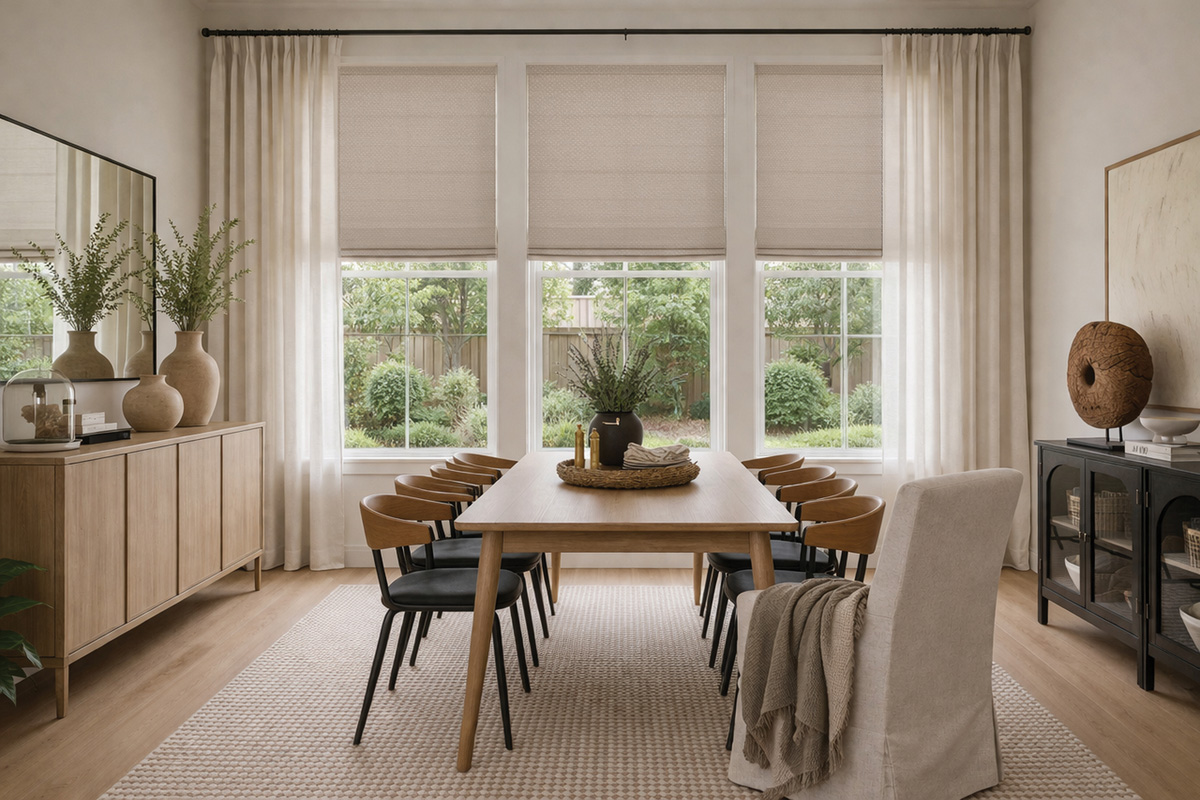
The shift away from minimalism is tangible across the trade. Colour palettes that once favoured cool whites and sharp contrasts are giving way to earthy neutrals and complex muted tones. Fabric choice is following a similar trajectory, with linen and cotton textures and organic hand feels setting the benchmark, even when the underlying fibre is synthetic. These are not aspirational trends from European design fairs; they are what showroom customers are requesting now.
At the same time, the fabric conversation itself has matured. Buyers are arriving with more knowledge about weave structure, light diffusion, VOC content, and longevity, the product of several years of sustained industry education. For retailers with genuine fabric depth, that shift is an advantage. For those relying on price alone, it is a pressure point.
Wilson Fabrics
Peta Fitzgibbon, General Manager at Wilson Fabrics describes the direction of the category in terms that go beyond colour cycles. “Curtains are no longer purely functional,” Fitzgibbon tells WFA. “They have become a key design element, shaping atmosphere, light, and overall wellbeing within the home.”
The shift is framed against a broader consumer movement toward interiors that feel grounded and emotionally restorative, a response in part to economic uncertainty and rising living costs. “In a world of increasing uncertainty and rising living costs, consumers are becoming more considered in how they spend,” Fitzgibbon says, “prioritising both value and longevity while creating a sense of refuge at home.”
In practical terms, that translates to colour palettes tracking toward earthy neutrals: clay, buff, stone, flaxen, and sand, complemented by muted, complex hues like dusty blues and softened pastels. Fitzgibbon identifies colour layering and tonal interiors as the dominant direction, “where curtains either blend with wall colours or introduce a soft, complementary contrast.”
Materiality is moving with it. “There is a clear preference for linen and cotton looks, expressed through soft woven textures, slubbed weaves, subtle irregularities, and tonal variation within fabrics,” Fitzgibbon says. The standard extends to synthetics: “Even where synthetic fibres are used, they are expected to replicate natural tactility and maintain a soft, organic hand feel, creating depth and visual interest without overwhelming the space.”
This direction underpins Wilson Fabrics’ Colour Flow concept, where colour tones are designed to move cohesively through a space rather than operate as isolated focal points. A new range inspired by earth textures is in development to extend the concept further.
On the sustainability front, Fitzgibbon points to a shift in buyer expectations that retailers would do well to build into their sales conversations. “These attributes are no longer considered ‘nice to have’, but essential to contemporary interior design,” she says of Wilson Fabrics’ environmental commitments, including Greenguard Gold certification for low VOC emissions, PVC-free and lead-free compositions, and a 10-year warranty on fabric durability.
CW Systems
Ramses Boktor, Product Engineer at CW Systems traces the shift in the retail conversation directly. “There has been a lot of education within the industry over the last few years,” he tells WFA. “This has created a solid foundation for retailers now. There is a lot more discussion about fabric types, weaves, trending colours, and so on.”
The pace of change at the supplier level is also accelerating. “We now see suppliers introducing fabrics more frequently in response to market demand,” Boktor says. “This is happening at a much faster pace than previously.”
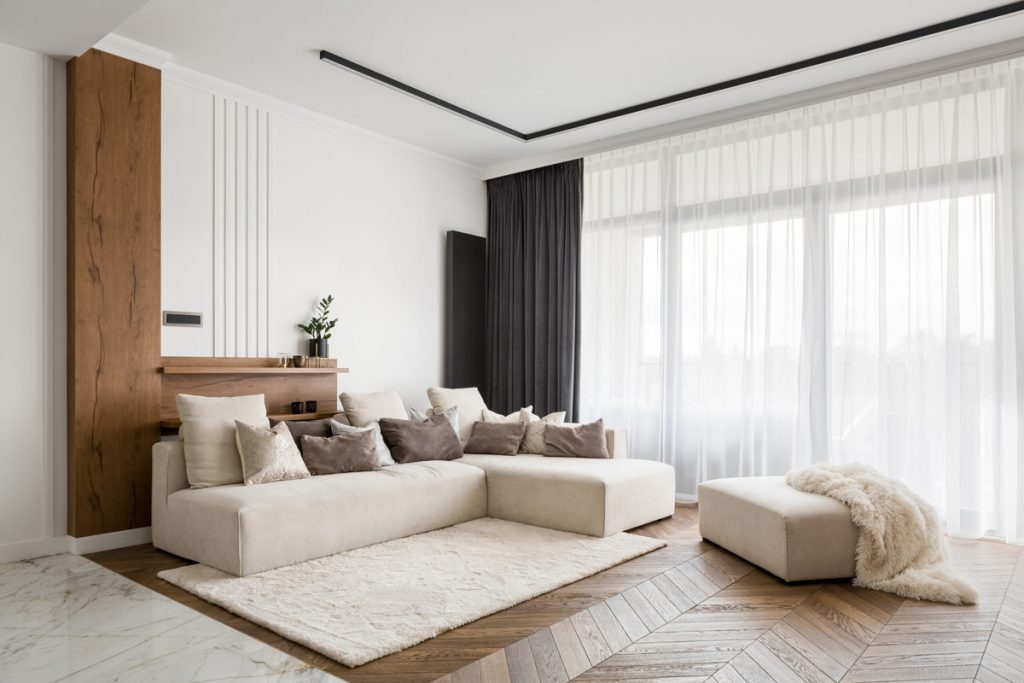
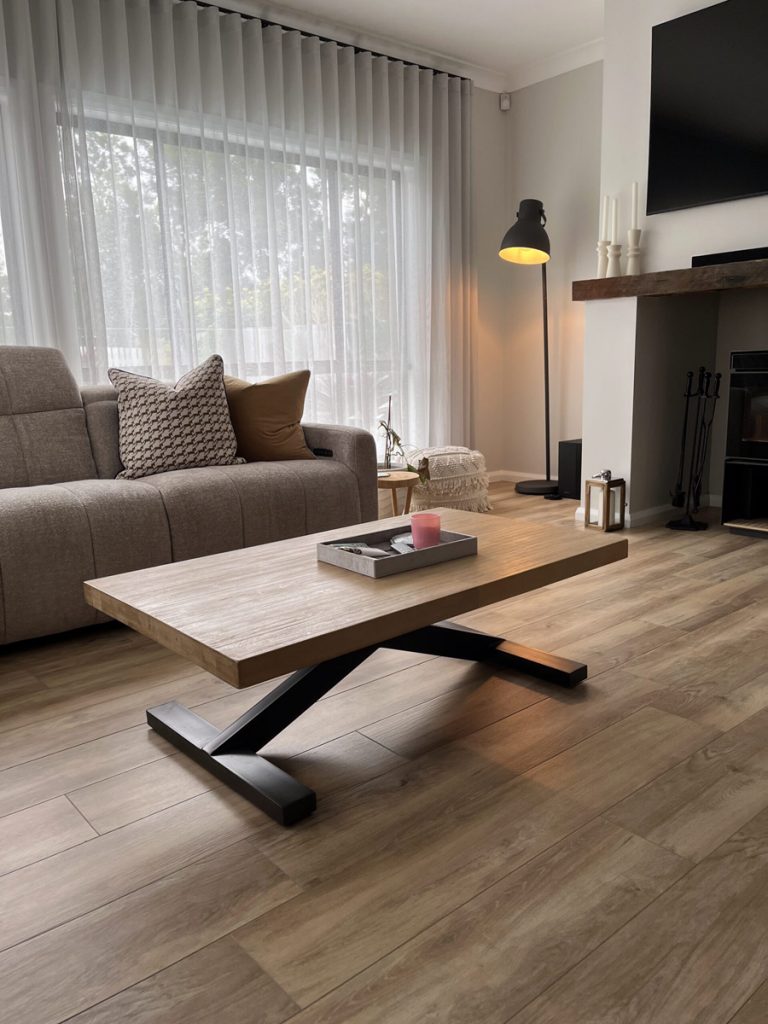
On the product side, the sheer-and-block-out binary that once defined curtain retail has given way to something more varied. “Traditionally it was just sheer and block-out fabrics,” Boktor says. “Now we see requests for translucent fabrics to diffuse more light and create some extra privacy, also room-darkening fabrics that have a softer feel, more textured but still block out more of the light coming in.”
CW Systems operates exclusively on a custom-made model, a position Boktor sees as both commercial and practical. “All our products are custom made, which allows for every job to have a solution, regardless of size or pricing category,” he says. “The ready-made is a cheap option but lacks offer and only covers a small market share of the window covering industry. We have great relationships with suppliers which allows us to be competitive in all aspects and offer multiple solutions.”
The margin environment is under pressure from several directions simultaneously. “As the cost of living increases, some consumers are becoming more price conscious, also competing with off-the-shelf product and online, not to mention other retailers working on low margins,” Boktor says. CW Systems’ response is structural rather than reactive. “CW Systems is always working with suppliers on how to maintain costs and also reduce costs where possible, to allow our customers to sustain strong margins. We are also conscious of the impact of price increases and avoid it as much as possible.”
Supplier relationship management is formalised at CW Systems in a way that gives the business a lead-time and cost advantage. “CW Systems holds strong relationships with its suppliers and always works together to maintain this,” Boktor says. “A key factor with our Aura and Core fabric range is we have agreements with suppliers to make sure these fabrics are in stock and there is always open communication regarding them.”