
Please turn your device to portrait.
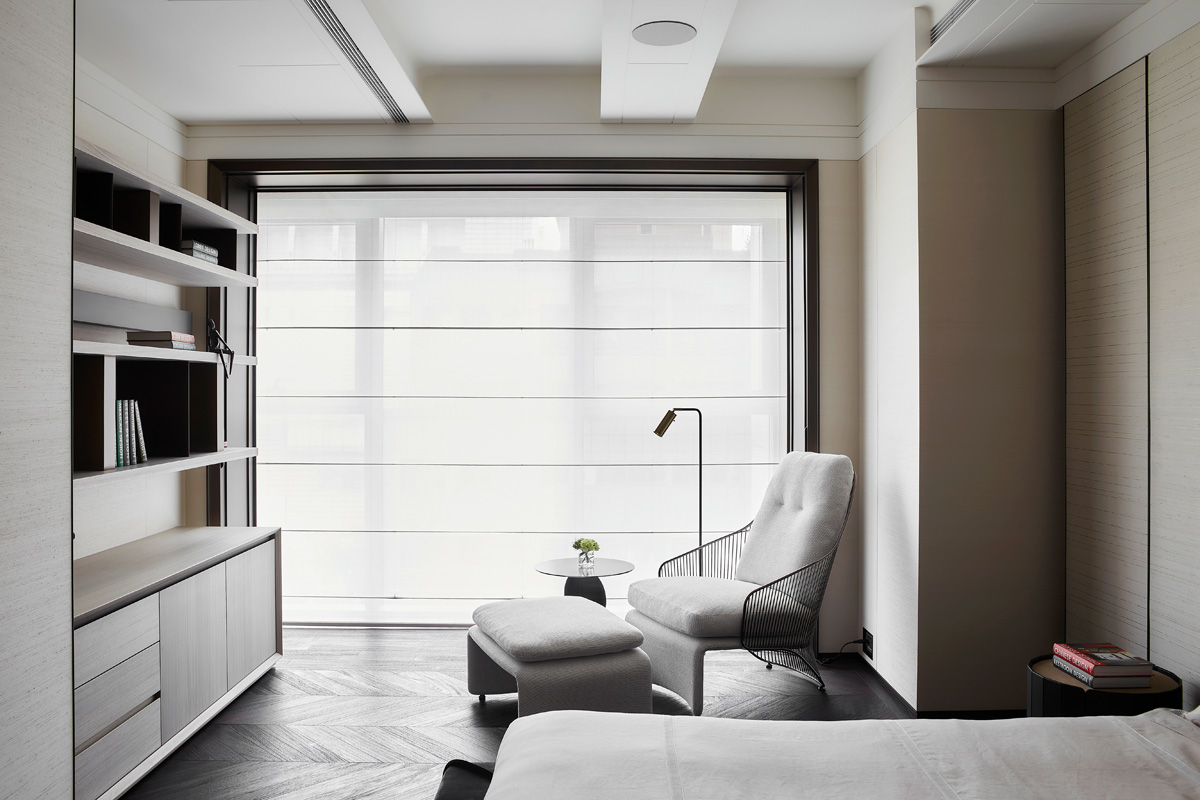
Roman blinds have long been defined by their fabric. What’s changing in 2026 is everything around it: how they’re lifted, how they’re lined, how they’re made, and how they’re sold. Norman, Louvolite and Meyer Blinds each bring a distinct answer to the same question: how do you make a Roman blind easier to specify, faster to fabricate, and more reliable to install?
The Roman blind category has occupied a steady but modest share of the Australian window furnishings market for years. Its appeal has always been clear: the softness and warmth that no roller or shutter can replicate, a fabric-forward aesthetic that suits residential interiors from contemporary apartments to heritage homes. What has been less clear, until recently, is where the product goes next. Rollers and shutters have attracted most of the development attention over the past decade, leaving Romans to compete largely on fabric selection and price.
That is shifting. The suppliers bringing meaningful updates to market in 2026 are not simply adding colours or refreshing collections. They are rethinking the lift system, the lining specification, the motorised headbox, the bottom rail attachment, and the fabrication workflow. The cumulative effect is a Roman blind category that is progressively easier to sell, specify and fit, and increasingly competitive in conversations that once defaulted to a roller.
Norman, Louvolite and Meyer Blinds each represent a different point of emphasis. Together, they illustrate where the category is finding its next chapter.
Norman
Norman has built its Roman blind proposition around the lift system rather than the fabric, a deliberate departure from category convention. The company’s Centerpiece range positions operation as a central part of the specification, and it is making that case in a market where most Roman conversations still start and finish with a swatch.
“Centerpiece shifts the conversation to the experience of using them,” says Giorgia English, Marketing Manager at Norman. “From cordless operation to SmartRelease, which lowers the shade in one smooth pull, through to AutoWand motorisation and full smart home integration, the lift system choice is broader than anything the Roman category has offered before.”
The motorised offering is where the company has addressed a long-standing retailer frustration. Romans with motors have historically meant managing two suppliers (one for the fabrication, one for the motor), with separate ordering processes and separate points of failure. Norman has changed that. “Unlike other manufacturers where the motor and fabrication are ordered separately, Norman’s motorised Romans arrive as a complete unit from a single supplier, saving time and removing the inconvenience of managing two different companies,” English says. The motors also integrate with the ShadeAuto hub alongside Norman’s full range of motorised shades and shutters, meaning retailers already operating in the home automation space can include Romans without adding a separate system to manage.
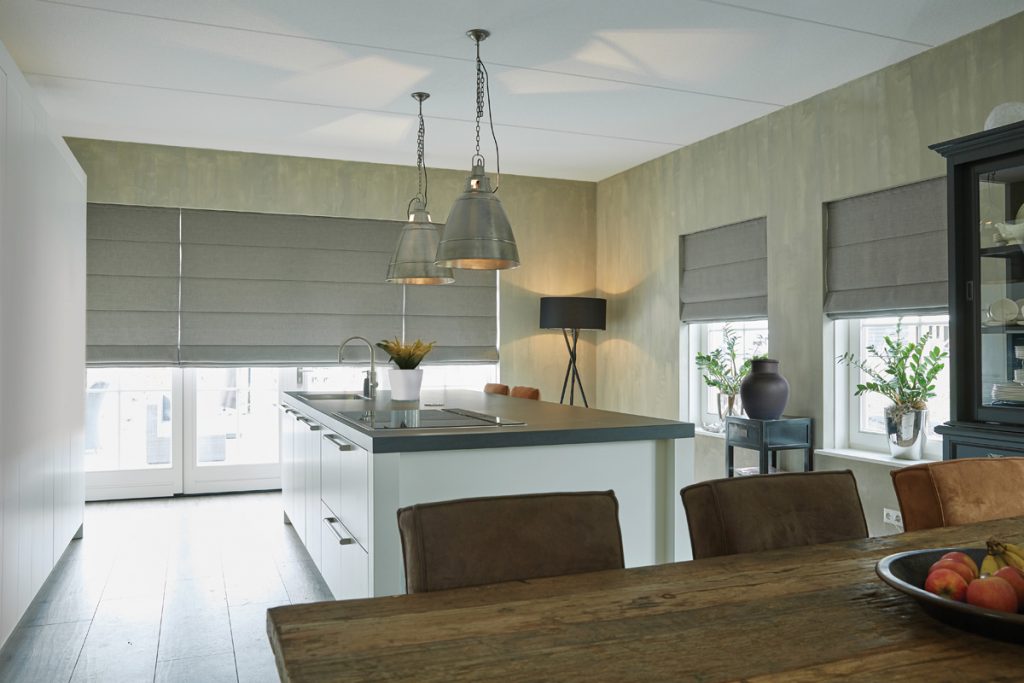
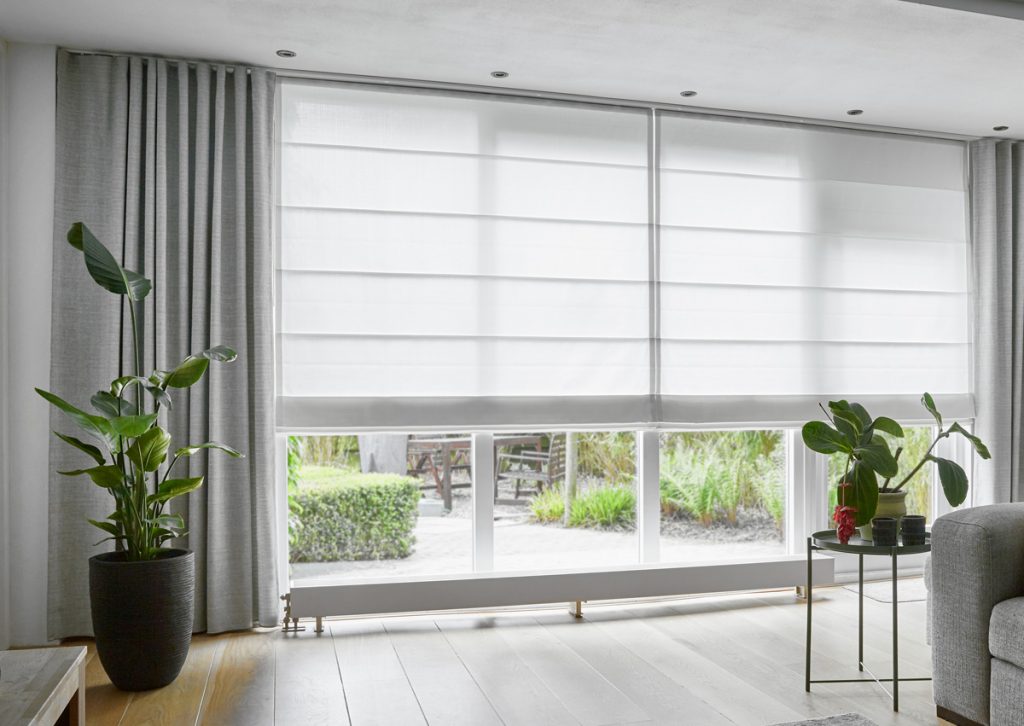
A further development within the range is the Dual Shade, which pairs a Roman with a roller on a single window. English describes the function: the combination allows a room to “transition from filtered light to full privacy without compromising the softness of the Roman at the front.” For retailers, it is the kind of specification that benefits from a showroom demonstration: the appeal is immediate once seen, but harder to sell from a catalogue page.
On fabric, the Centerpiece range has expanded significantly in 2026. “Twenty-eight new colours added across the Centerpiece range” are joined by two entirely new collections, with the palette reflecting the direction Australian interiors are taking, according to English: “warm earthy tones, natural textures, and the kind of considered colour that makes a room feel grounded rather than decorated.” A number of Roman fabrics coordinate directly with Norman’s roller shade range. The Breeze linen-look collection runs across Roman, Honeycomb, Roller and SmartDrape Shades, giving retailers a tool for presenting whole-home solutions without relying on approximate colour matching.
Lining is addressed within Centerpiece without the usual cost conversation. “Both translucent and blackout options are included in the Centerpiece range at no extra cost,” English notes, adding that select fabrics are available unlined for customers who prefer a lighter finish. Additional customisation runs to soft fold or flat fold construction, with edge and ribbon banding available on select fabrics.
The company also points to installation reliability as a distinguishing factor. “Norman’s processes and material selection are designed to eliminate those problems before they reach the installation stage, giving retailers confidence in a consistent and trouble-free result every time,” English says, a reference to the inside-recess fitting issues that poor Roman manufacturing can produce.
Louvolite
Louvolite’s approach to Roman blinds starts with the fabricator. Where most Roman blind development focuses on the end product, Louvolite has engineered RomaShade around the production line, and the result is a Roman blind system that can be manufactured without specialist equipment, additional machinists, or a separate lining workflow.
“We are seeing a strong shift toward softer, more natural interiors,” says Andy Burford, Louvolite Australia. “Neutrals continue to dominate, particularly warm tones which create a calm and versatile backdrop. In terms of pattern, we see a move toward subtle design detail rather than bold statements. Small-scale jacquards and understated stripes are performing well, adding visual interest while still maintaining a clean, contemporary aesthetic. Overall, the trend is toward fabrics that feel relaxed, textural and easy to live with, while still delivering a refined finish suited to modern interiors.”
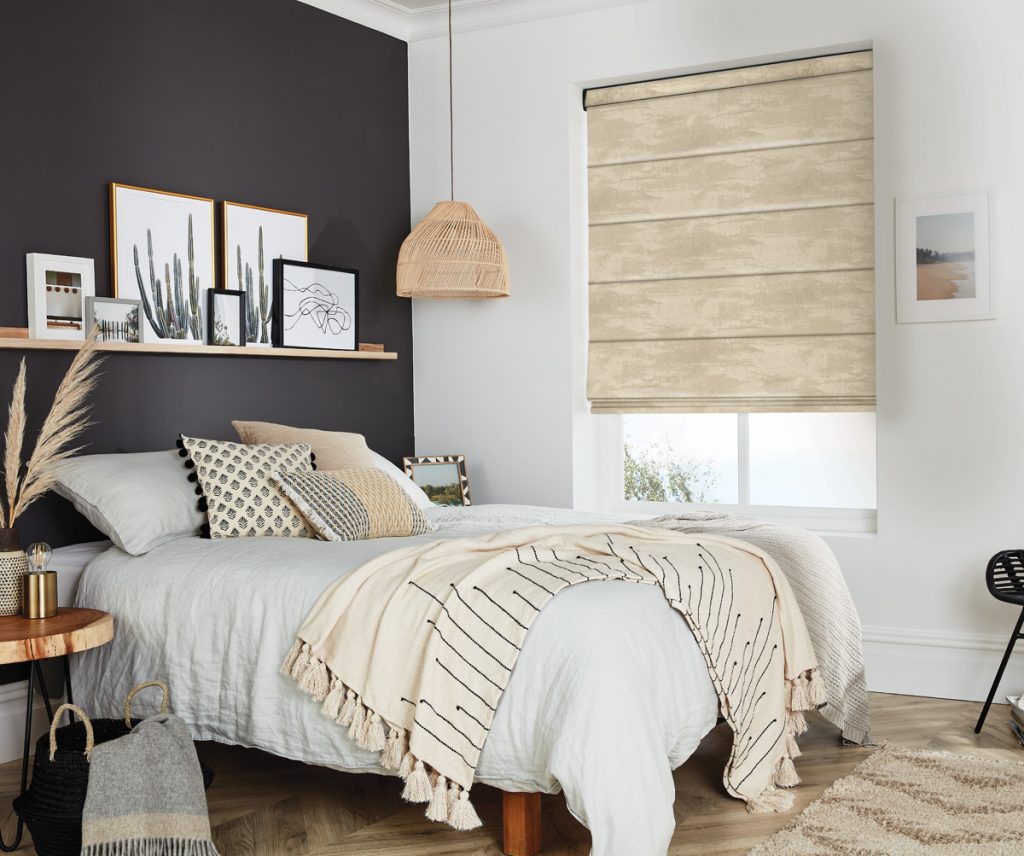
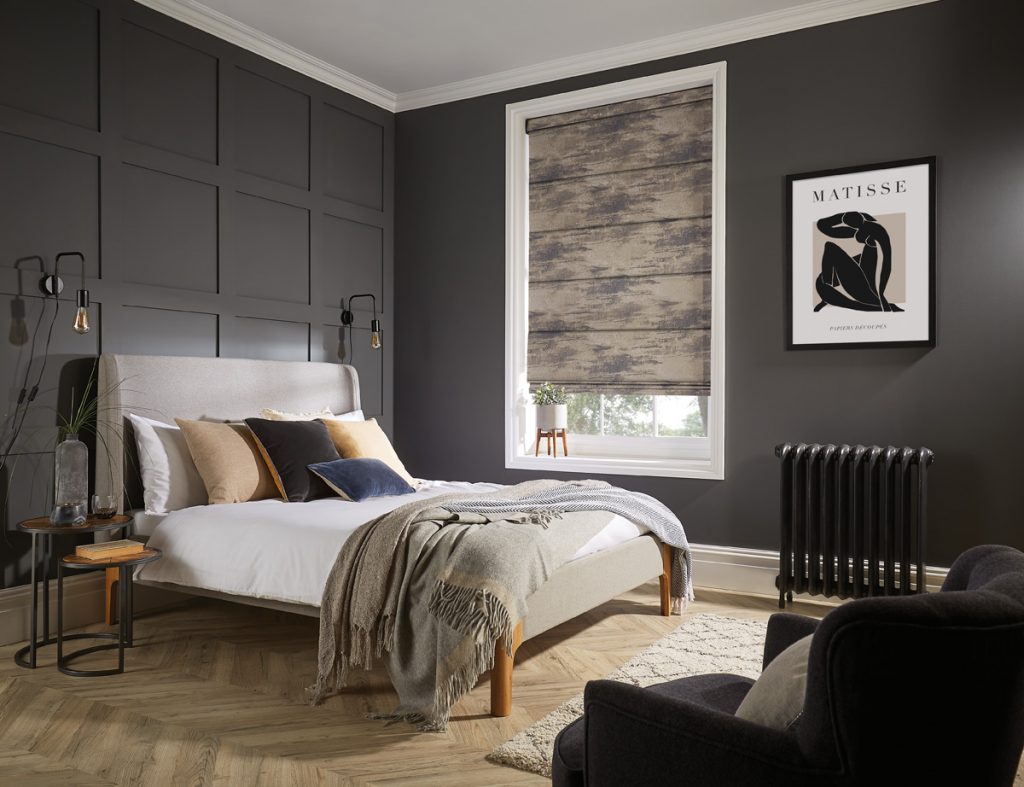
On lining, Louvolite has made a structural change to the product. “Lining has traditionally been a standard component of Roman blinds,” Burford notes. “With the RomaShade collection, Louvolite has taken a different approach. All RomaShade fabrics are coated and are blackout, removing the need for a separate lining while still delivering the privacy and light control customers expect.” The downstream effect on production is significant. “Without the need for lining, RomaShade can be produced on the same equipment used for roller blinds, eliminating the requirement for machinists or additional production steps. All RomaShade blinds are no sew.” For fabricators running lean operations, the implication is direct: Roman blinds become a scalable SKU rather than a costly detour from the main production workflow.
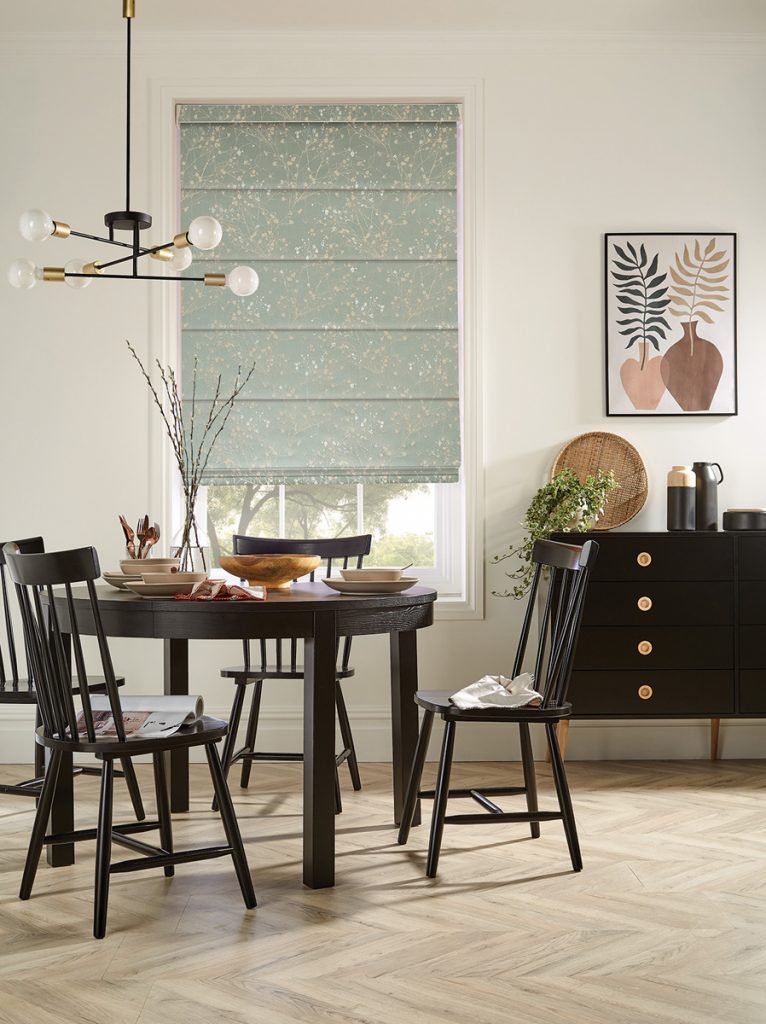
Motorisation is growing across the RomaShade range, but Louvolite has drawn a clear line between motorisation as a convenience and motorisation as a compliance tool. The company has built a unique child safe mechanism into RomaShade that removes cords entirely from the product. “With RomaShade, Louvolite has addressed this differently,” Burford says. “The system has been designed with a unique child safe mechanism that removes cords entirely, meaning safety is built into the product from the outset rather than added as an afterthought. As a result, customers can achieve a child safe solution without needing to rely on motorisation. Motorisation then becomes a choice driven by convenience, accessibility and smart home integration, rather than a requirement for compliance.” For retailers who have navigated child safety conversations as an upgrade discussion, the distinction matters.
On installation, Louvolite points to the operational familiarity of the system as its primary safeguard against common errors. “As RomaShade products are designed to operate via roller blind systems, arguably the most popular shading products available, our customers are already well versed in their measuring and installation,” Burford says. “This familiarity significantly reduces the likelihood of common installation errors, such as incorrect measurements. In addition, the simplified, no-sew construction helps streamline manufacturing and reduces the need for remakes.”
On the use of Roman shades for multi-residential specifications, Burford is measured. “Our understanding is that some high-value, design-led projects are beginning to incorporate Roman shade installations to help reinforce the overall interior offer and elevate the finish. However, in more traditional multi-residential developments, roller shades remain the dominant choice due to their cost efficiency, simplicity and ease of specification at scale. As a result, while Romans are gaining some traction in premium segments, they are generally used selectively rather than as a direct replacement for roller systems.”
Meyer Blinds
Meyer Blinds has directed its 2026 Roman Blind development at the points where quality is most visibly won or lost: the motorised headbox profile, the bottom rail attachment system, and the core fabric collection. Simon Meyer, Managing Director, describes the company’s focus as refinement rather than reinvention.
“While major innovation within the Roman Blind category remains relatively rare, Meyer Blinds has focused recent development on refining the areas that most directly influence fabrication quality, finished appearance and specification flexibility,” Meyer says. “This has centred around the introduction of the new Slimline Motobox motorised Roman Blind solution, the Fabric Wrapped Bottom Rail system and the launch of our Signature X fabric collection.”
The Slimline Motobox addresses the headbox problem that has made motorised Romans visually awkward in many installations. “Meyer Blinds has introduced the new Slimline Motobox, a compact wirefree motorised solution operating within the SS38 Chain Drive headbox profile,” Meyer explains. “Using Somfy or Automate Wirefree motor systems, Slimline Motobox allows Roman Blinds to be motorised within a compact 36mm x 38mm headbox, delivering a far more discreet appearance than traditional motorised Roman systems.” The cord management is also reconsidered: “The Motobox concealed headbox is designed to vertically spool the cord, helping maintain unobstructed views through sheer fabrics while improving the overall presentation of the Blind.” For inside-mount applications in particular, the reduced headbox dimension removes clearance constraints that have pushed specifiers toward exposed-mount installations.
The fabric wrapped bottom rail targets a different failure point. Meyer describes the available configurations: “The fully wrapped option delivers a sleek modern finish while adding additional weight to improve hang and fabric control. The half wrapped variation subtly wraps fabric around the rear section of the rail to help dampen operational contact noise. The exposed option introduces a slimline profile engineered to maintain straight alignment and improved fabric lay.” The engineering change that underpins all three is the two-part clamping design. “A key advancement within the system is the new two-part clamping design, securing fabric across the full width without the need for splines or staples,” Meyer says. “This removes common rippling issues associated with staple tension and delivers a smoother, cleaner finish across a broader range of fabrics, including more delicate constructions.” The rippling problem has long been most visible on wider blinds and lighter weaves, where uneven staple tension telegraphs through the face of the fabric.
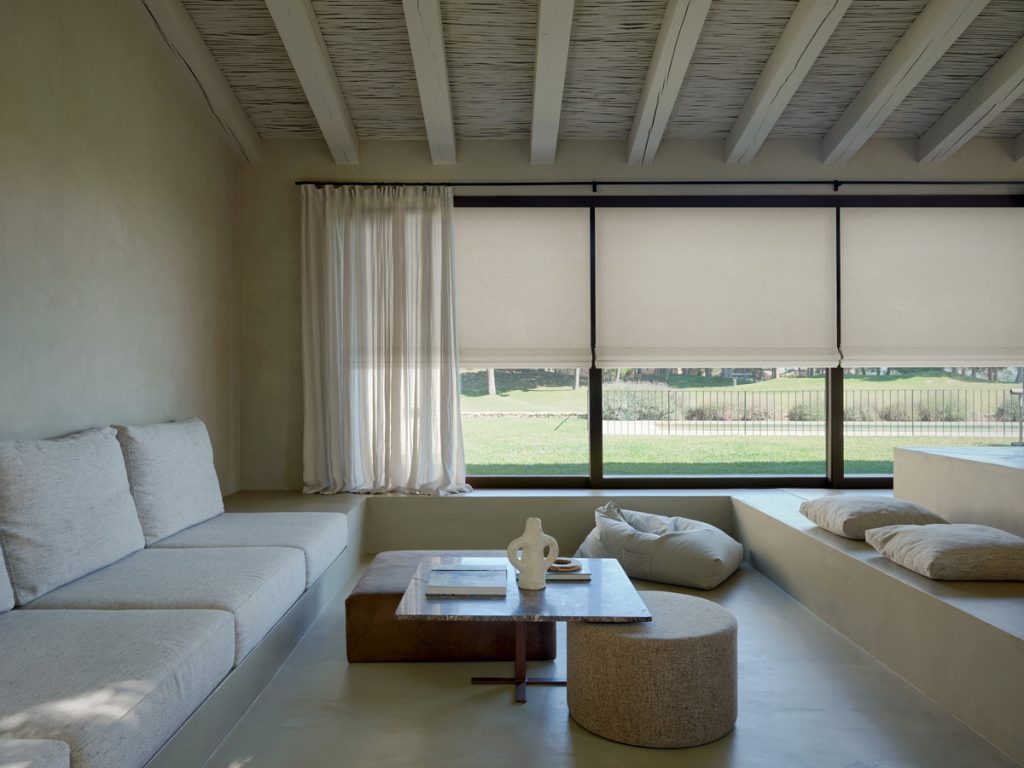
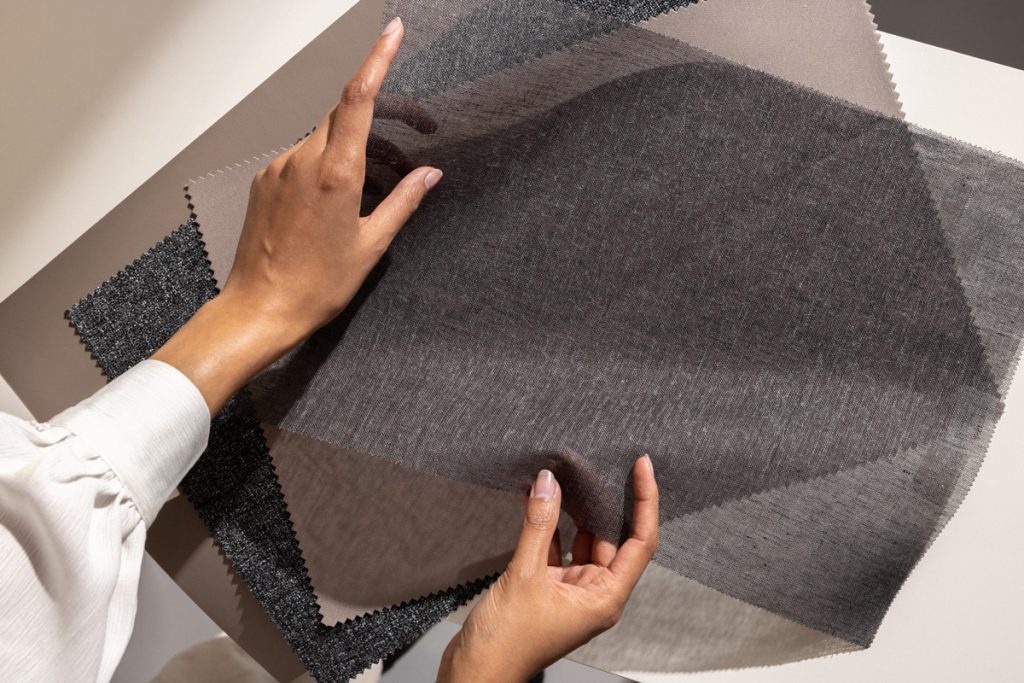
On the fabric side, Signature X is the company’s most significant collection refresh in years. “Signature X represents the most significant update to Meyer Blinds’ core fabric collection in more than six years,” Meyer says. “Developed across Roller, Roman and Panel Blind systems, the collection introduces 22 curated fabric ranges, with more than 60 per cent entirely new.” Continuity for existing customers has been preserved. “Importantly for existing retailers and specifiers, established performers such as Urban Weave remain within the collection, allowing continuity across ongoing projects while introducing new textures, finishes and colour directions.” Meyer also flags performance-led additions within the collection: “Additional developments within Signature X include expanded silver-backed fabric options for improved solar performance and reflectivity, refined textures and finishes suited to contemporary residential specification, broader colour palette development and select fabrics incorporating recycled yarns and more environmentally responsible manufacturing processes.”
See all the latest in Roman Blinds at the Meyer Blinds Stand L4 at WSAA SuperExpo | 10–12 June.