Please turn your device to portrait.
With the demands of sustainability no longer seen as optional, WFA talks to key suppliers about how they are responding.
Wilson Fabrics
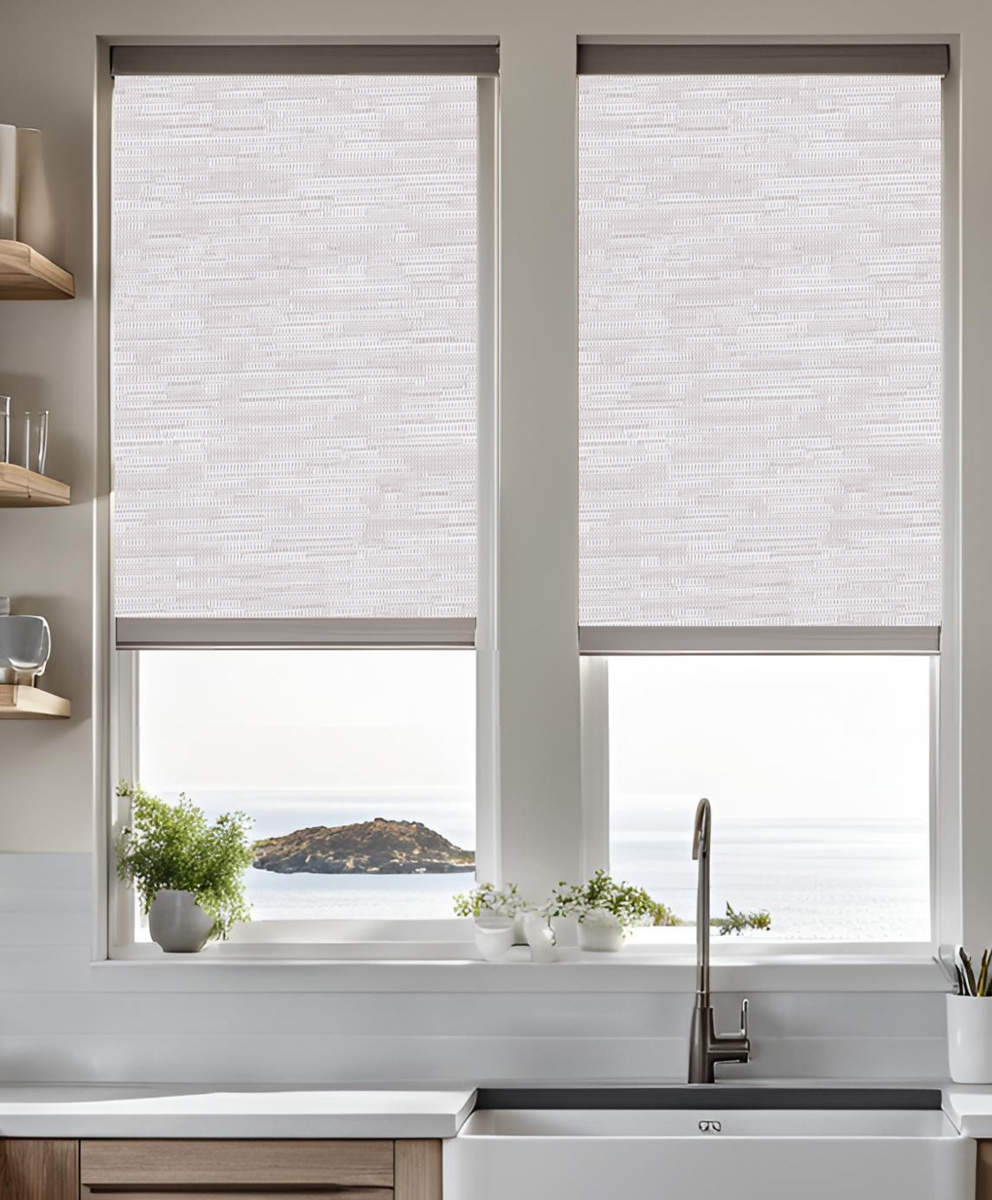
“In today’s world, sustainability is no longer a choice – it’s a responsibility. As individuals and communities, we are increasingly motivated to reduce energy consumption and minimise our environmental footprint. One powerful, often overlooked solution lies in the fabrics we choose for our homes, particularly blockout blind and draperies fabrics,” says Peta Fitzgibbon, General Manager Sales & Marketing of Wilson Fabrics.
“At Wilson Fabrics, we are dedicated to sustainable practices that will preserve the environment for generations to come. Our innovative blockout fabrics are designed not only to prevent light from passing through but also to provide exceptional insulation. This added layer of protection helps maintain a comfortable indoor climate year-round by reducing the need for artificial heating and cooling, in turn, lowering household energy consumption.
“Sustainability is woven into every step of our process. Our products are Greenguard Gold Accredited, meeting some of the world’s most rigorous environmental and health standards. Manufactured locally, our fabrics are produced using methods that minimise harmful emissions and contribute to improved indoor air quality making them a healthier choice for you and for the planet.
“Incorporating blockout fabrics into your window treatments is a simple yet impactful way to boost energy efficiencies at home. Beyond comfort, it’s a choice that supports a cleaner, greener future.”
Norman
“At Norman, sustainability isn’t a short-term initiative. It is a long-term commitment that continues to evolve across every stage of our manufacturing process. Many of the changes we have implemented have taken years of planning and refinement, reflecting our ongoing focus on reducing waste, improving environmental practices, and developing products that support a healthier planet in both production and use.
“Improving packaging and material efficiency has been a key focus in advancing our sustainability goals. We have moved away from Styrofoam fillers, initially replacing them with bubble columns before introducing corrugated paper as a renewable alternative. This change has reduced reliance on disposable plastic air column bags and increased the use of recyclable, paper-based materials throughout our packaging.
“Across our manufacturing operations, we have also adopted innovative reuse practices to minimise waste. Oil mist recycling systems recover and reuse oil from machinery, while used lubricants are treated and repurposed for lower-precision equipment. Even sawdust from timber production is repurposed as a heat source for our wood conditioning kilns. Together, these initiatives have contributed to a significant reduction in waste across our operations.
“Material selection plays a major role in how we approach sustainability. Our most popular and best-value shutter range, Woodlore, is crafted from wood composite made using rapidly renewable trees, with up to ninety-five percent of each tree utilised during production. This process supports faster forest regeneration, minimises waste, and uses a material that is fully biodegradable, offering a more sustainable alternative to PVC shutters.
“Another major focus has been reducing the use of chemicals to improve air quality inside our customers’ homes and in the wider environment. We are transitioning to water-based paints in place of traditional oil-based coatings. Although this approach is more costly, it offers improved colour fastness, reduces VOC emissions, and helps lower air pollution while maintaining high product quality. We also offer LUXE, a natural, plant-based finish made from vegetable oils and waxes. Free from formaldehyde, preservatives, and toxins, LUXE meets the same safety standards as children’s toys and provides a safer, more sustainable finish for shutters and blinds.
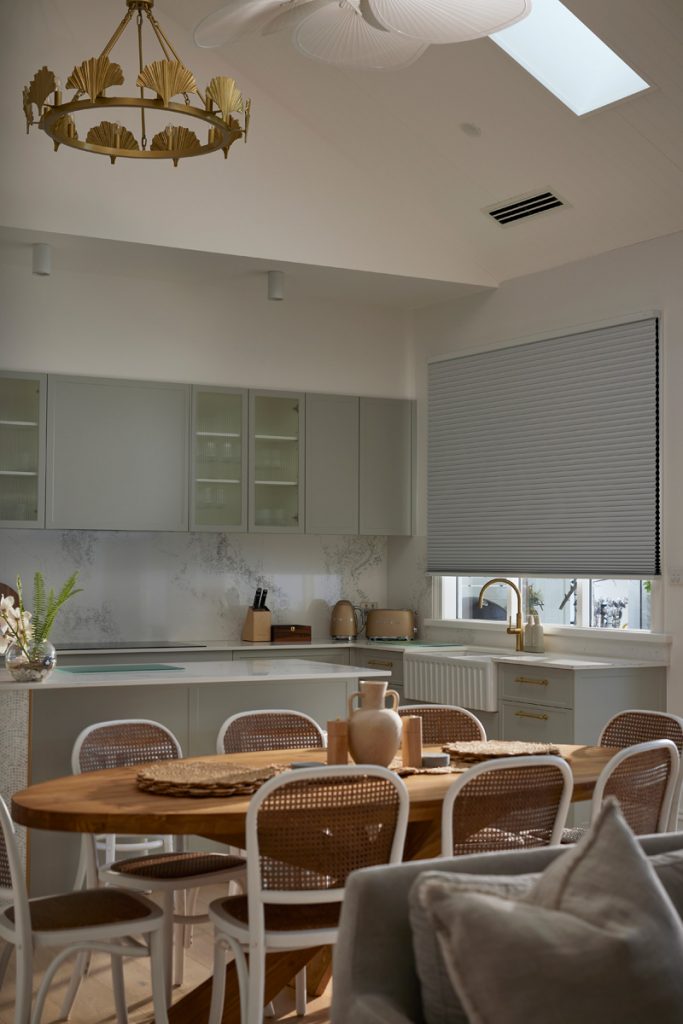
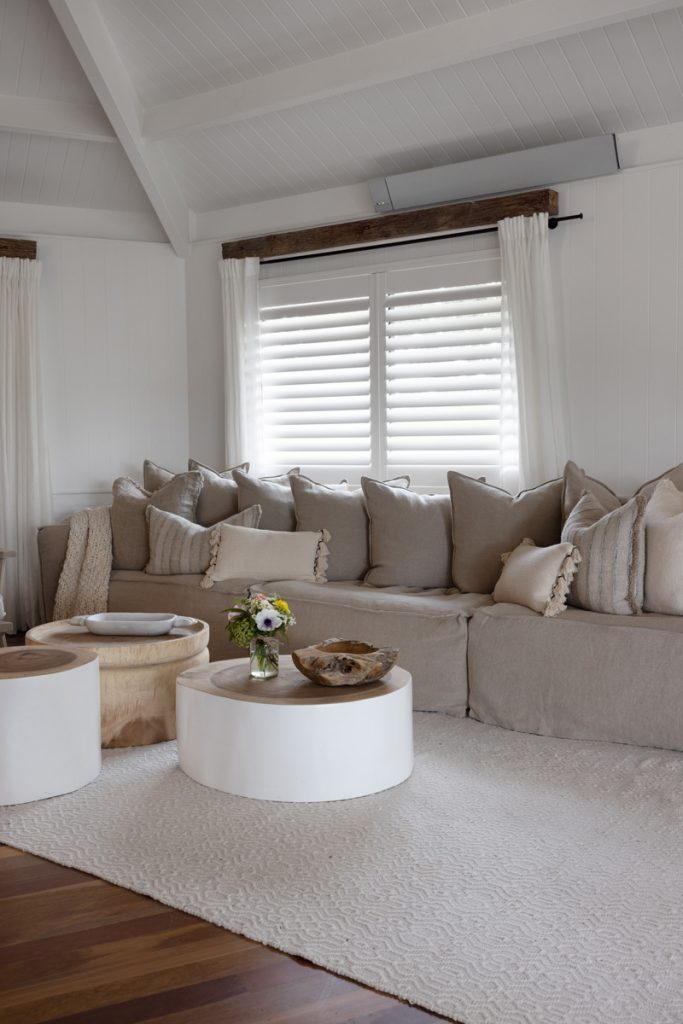
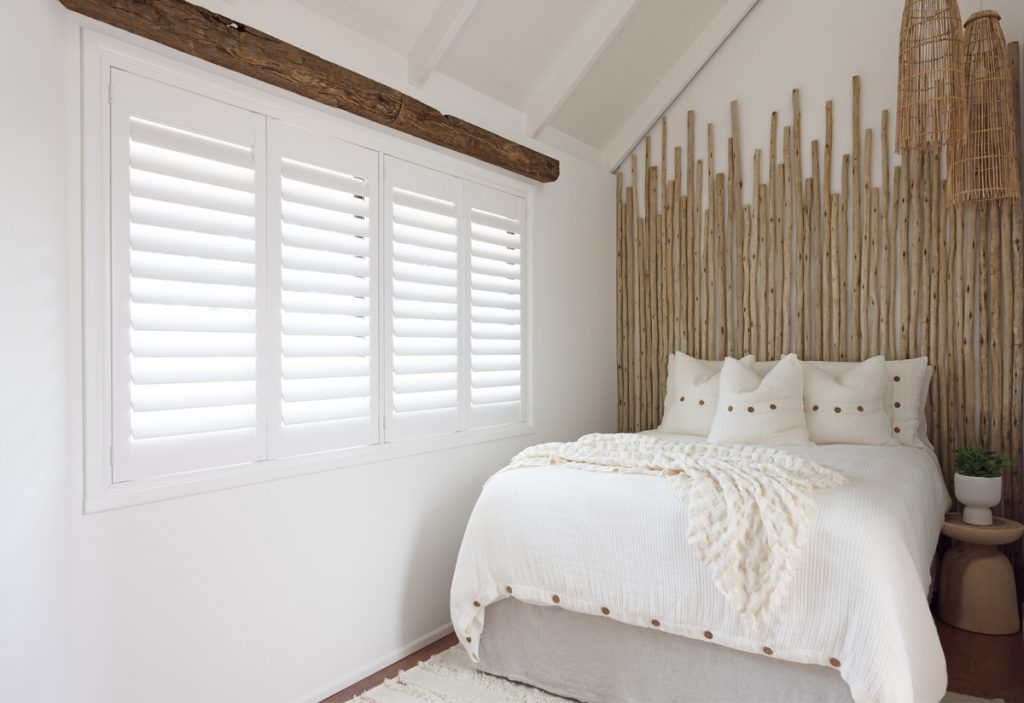
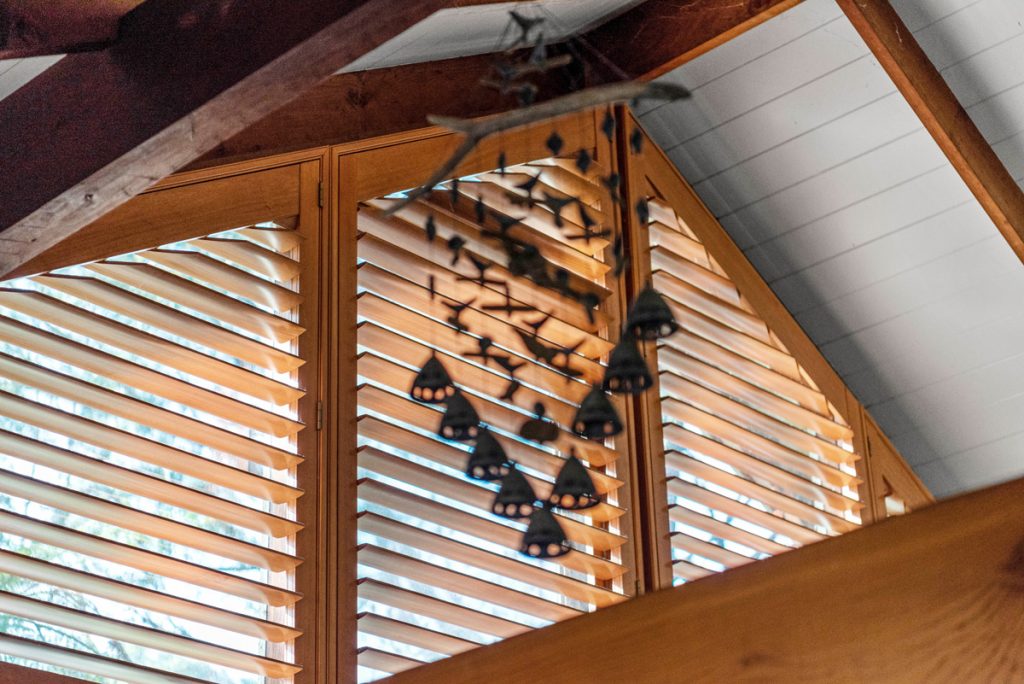
“Our research and development team has made a major breakthrough in reducing chemical use during the production of our honeycomb shades. Traditionally, bonding layers of non-woven fabrics required our suppliers to use solvent-based adhesives that released volatile organic compounds (VOCs) such as toluene and MEK into the environment. Through years of continuous improvement, our team developed a zero-solvent adhesive formula. This advancement has reduced our suppliers’ use of approximately one hundred and ten tonnes of volatile solvents each year, significantly lowering VOC emissions and creating a cleaner, safer manufacturing process. The result is a more environmentally responsible product that helps protect both indoor air quality and the broader environment.
“At Norman, we recognise that building a sustainable manufacturing model takes time, consistency, and commitment. By embedding these principles into how we source, design, and produce, we ensure every improvement contributes to genuine environmental progress. We are shaping a manufacturing model that prioritises responsibility without compromising quality or craftsmanship.”
Blinds by Peter Meyer
Simon Meyer, Blinds by Peter Meyer Managing Director comments: “At Blinds by Peter Meyer, sustainability is more than a buzzword, it’s an evolving commitment that shapes how we design, manufacture, and deliver our products. Over the past 12 months, we’ve focused on reducing waste, improving environmental processes, and expanding our range with products that genuinely make a difference to the planet.
“Our biggest launch this year, the Griesser External Venetian Blind range represents a major step toward sustainable climate control in Australian homes and buildings. By blocking up to 93% of solar heat during the day and allowing natural night-time cooling, these Blinds can reduce air-conditioning use and cut energy costs by as much as 50%. In winter, they contribute to a 16% reduction in heating energy consumption, offering year-round comfort while lowering a building’s carbon footprint.
Each system, Aluflex, Solomatic II, and Lamiso III – is built to endure Australia’s climate, with exceptional wind resistance and design longevity. That means less need for replacement, less waste, and greater long-term sustainability. Every detail, from the recycled aluminium slats to the energy-saving design, reinforces our commitment to smarter, greener solutions.
“This year also marks the largest overhaul of our Signature Collection in more than six years, representing a complete reimagining of our fabric offering. The new Signature X Collection introduces 22 stunning fabric ranges, sourced from some of the world’s most respected mills, many of which are exclusive to Blinds by Peter Meyer.
“Over 60% of the fabrics are entirely new additions—offering the latest textures, colours, and finishes—while still retaining the timeless best-sellers our customers know and love. Several of these new ranges place a strong focus on recycled yarns and environmentally responsible production, creating a truly distinctive collection that sets our partners apart in a competitive market.
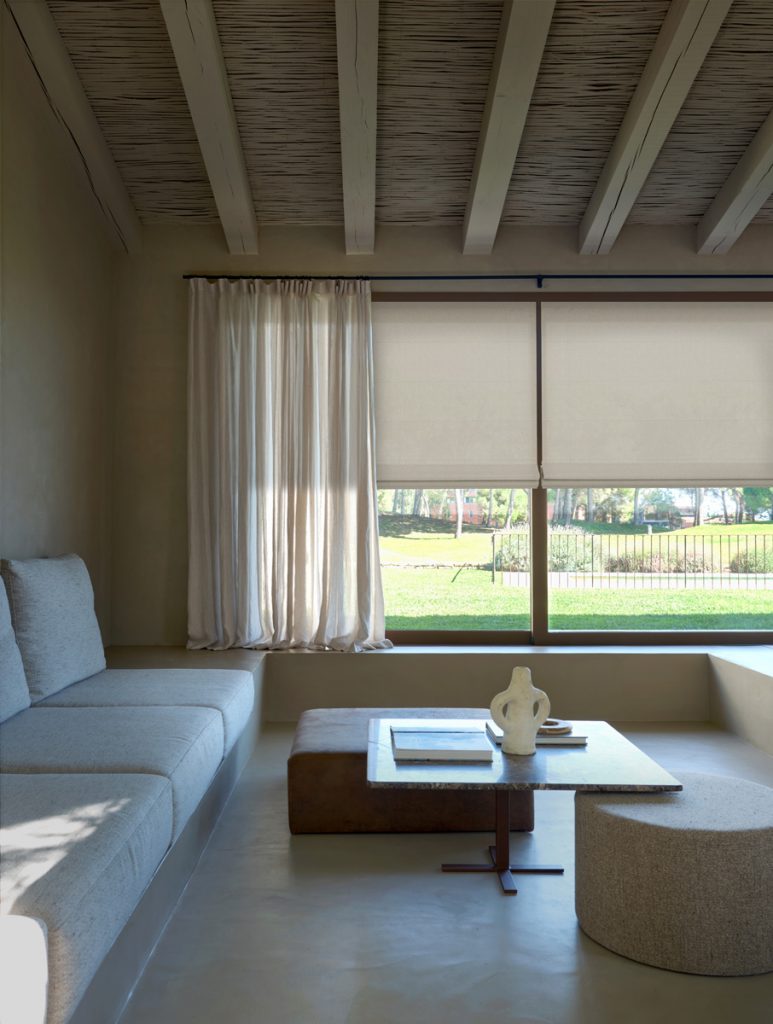
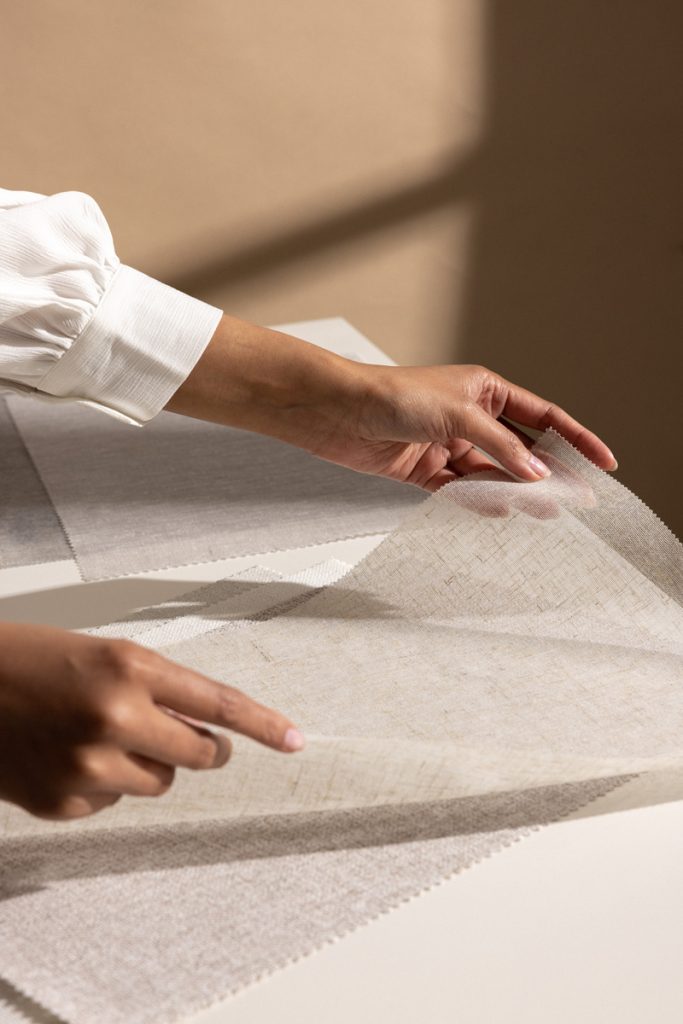
The Signature X Collection is a curated showcase of design and sustainability working in harmony. Here are our range of fabrics made from recycled yarns:
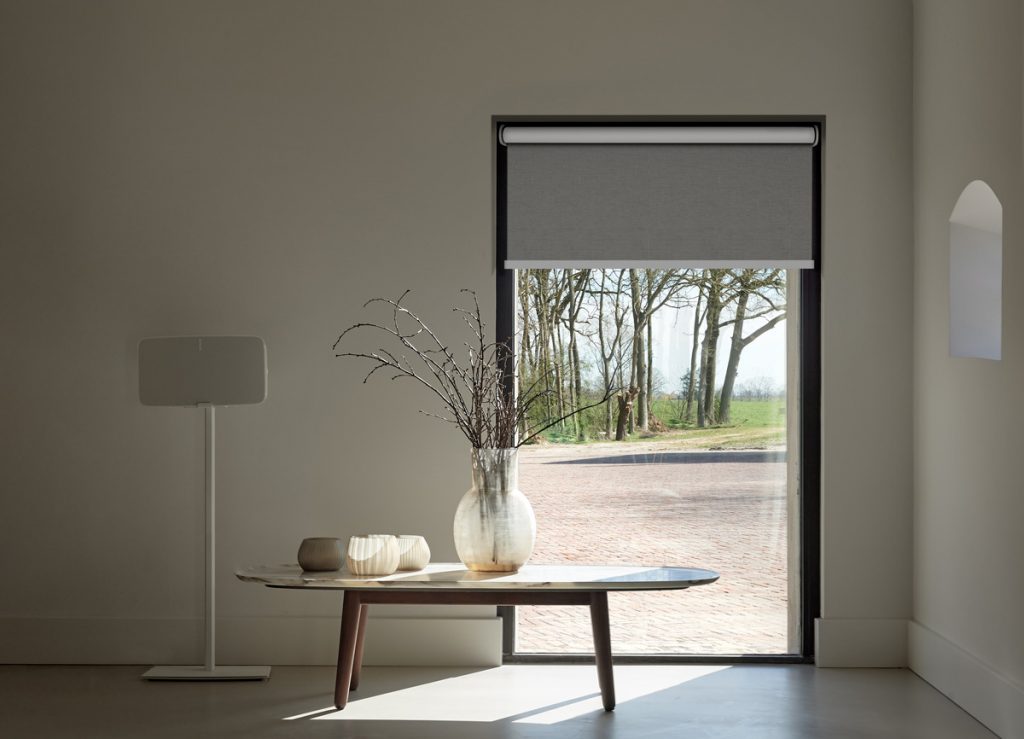
“By integrating recycled yarns and favouring mills with low-impact production methods, we’re working to minimise waste at every stage of the supply chain. Even our sampling and fabric cutting processes have been refined to reduce excess materials and streamline logistics.”
“Sustainability extends beyond the interior, and Weinor’s Modern Basics Blue collection demonstrates how innovation can enhance outdoor living responsibly. This award-winning Polyester Awning fabric range is crafted from 85% recycled PET bottles, transforming post-consumer waste into premium, high-performance textiles. Each metre of fabric contributes to significant resource conservation, using approximately 60% less energy, 45% fewer CO2 emissions, and 90% less water compared to traditional dyeing methods.
“Offering UPF 50+ sun protection and a durable Teflon finish that repels dirt and moisture, Modern Basics Blue ensures longevity and easy maintenance, reducing the need for frequent replacements. The collection’s 28 designer patterns and textures—from soft linen-look neutrals to petrol greens and sandy tones—align with current trends favouring natural hues and organic surfaces. As sustainability becomes a defining factor in exterior design, Modern Basics Blue continues to lead the market in balancing beauty, performance, and environmental responsibility.
“Looking forward, our sustainability journey doesn’t stop here,” says Meyer. “We’re continuing to explore how our systems and textiles can deliver comfort, longevity, and beauty with a lighter touch on the planet. From smarter shading systems that lower energy use to fabrics that give new life to recycled fibres, our goal is simple: to help Australians create stylish, comfortable spaces that tread more gently on the earth.”
Somfy
For over a decade, Somfy has been committed to reducing its environmental impact, making eco-design a core element of its strategy and product development.
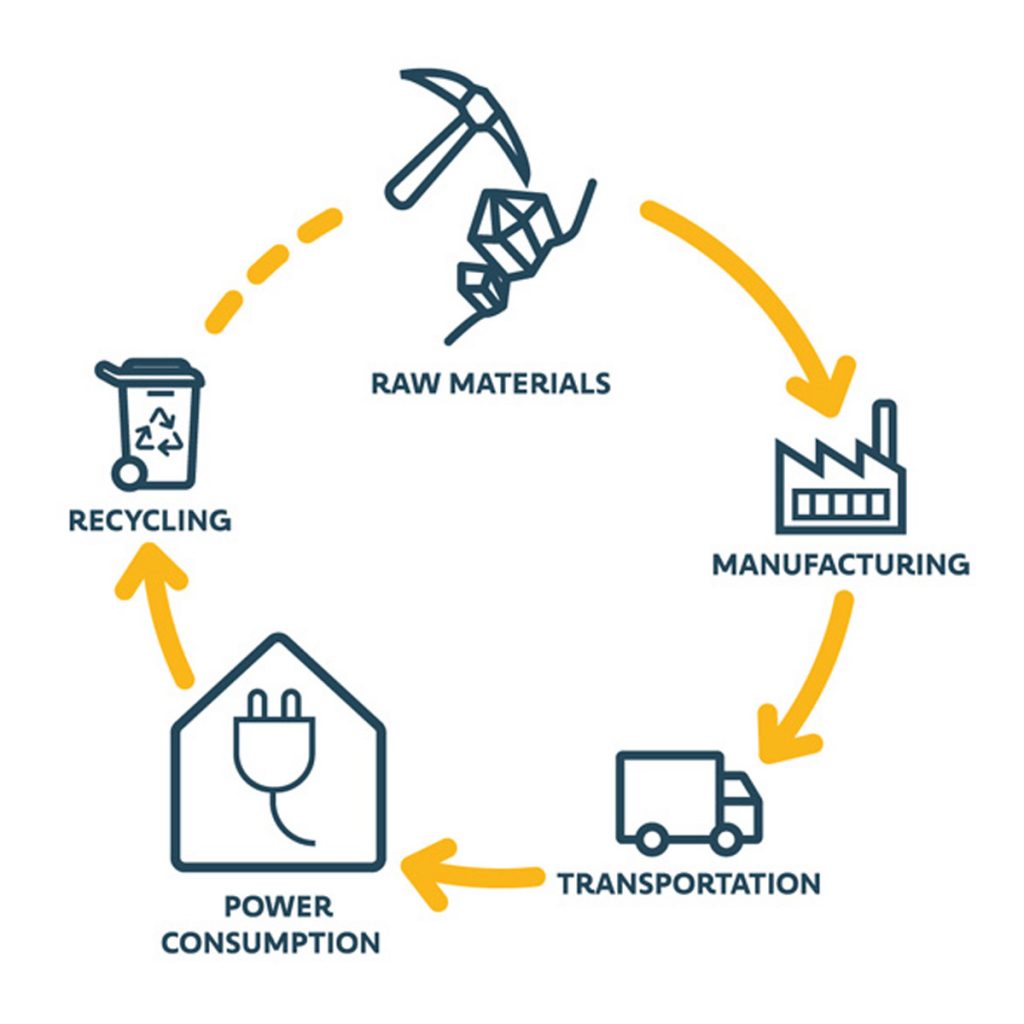
Since 2015, Somfy has been a leader in the industry in adopting an eco-design approach based on a multi-criteria analysis (low electrical consumption, durability, substances, EPD). The focus of this approach has been to minimise environmental impact throughout the product life cycle.
Somfy’s eco-design standards are central to its industrial processes, prioritising the product phases that have the greatest environmental impact.
“Our objective is to ensure that 100% of our sales come from products following an eco-designed approach by 2030,” says Mary Ladu, Marketing Manager for Somfy Oceania.
Somfy’s approach is based on five criteria:
As part of Somfy’s eco-design commitment, products meeting these standards receive the PEP Ecopassport, which assesses the rigorous environmental impact calculations (www.pep-ecopassport.org).
“With over 200 PEP Ecopassport sheets, covering nearly all of our best-selling products, Somfy offers one of the most extensive Environmental Product Declarations for motors on the market, providing our customers with highly valuable environmental data,” says Ladu.
“Further, Somfy doesn’t limit the eco-design approach to a single product range. Instead, we are committed to eco-designing all our products to reduce their environmental impact.
“The list of eco-designed products has grown to include motors, sensors, remote controls, and accessories. Our objective is to ensure that 100% of our sales come from products following an eco-designed approach by 2030.”