
Please turn your device to portrait.
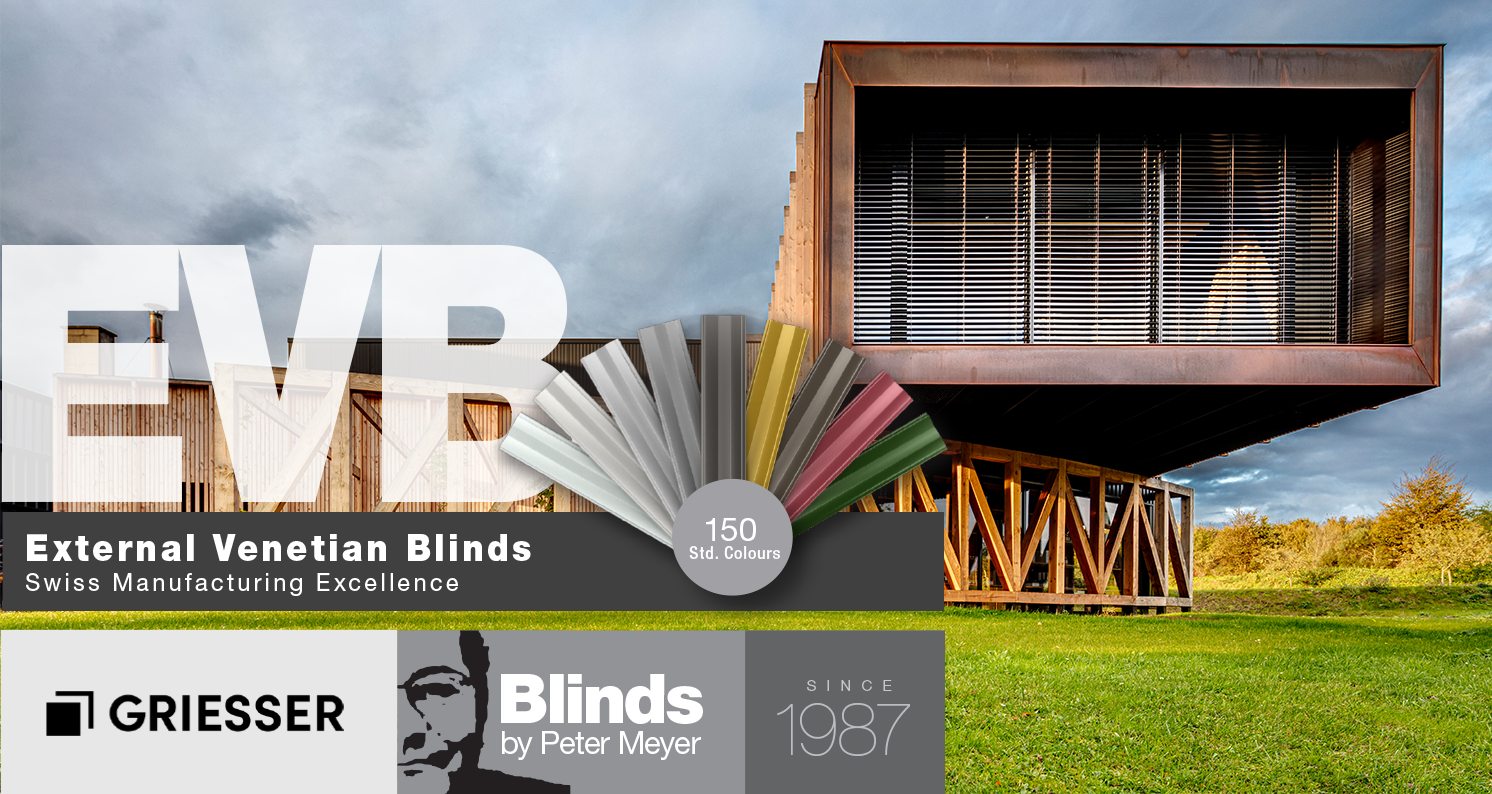
With Griesser External Venetian Blinds’ arrival in Australia & New Zealand, BiColor technology, superior blade closure, wind stability and smart automation are now specified locally.
Griesser’s class-leading External Venetian Blinds are now available across Australia and New Zealand through Blinds by Peter Meyer, bringing Swiss facade shading engineering to local commercial and premium residential projects.
Simon Meyer, Blinds by Peter Meyer Managing Director tells WFA that for trade specifiers, the appeal is straightforward, with precise daylight control, proven wind stability, deep colour flexibility, smart-building readiness and a system toolkit that suits both new builds and retrofits.
Why facade-first shading matters
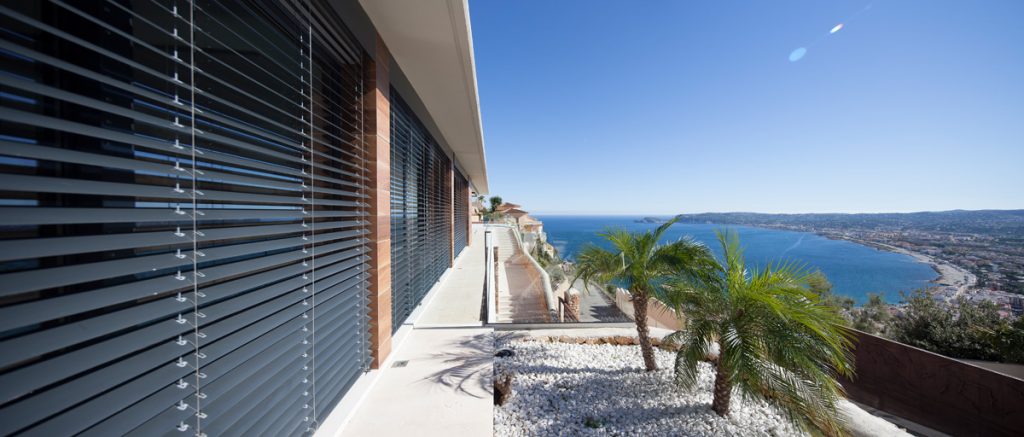
“External shading stops solar heat before it reaches the glazing, which is why it consistently outperforms internal solutions for thermal control. Griesser External Venetian Blinds can block up to 93% of incident heat during the day while enabling night purging, reducing cooling loads and delivering energy cost savings of up to 50%,” says Meyer. “In cooler months, optimised winter operation contributes to heating energy reductions of around 16%, providing year-round comfort and measurable building-performance gains. The system also enhances daylight quality — reducing glare at work surfaces while allowing soft, natural light to filter deeper into the space.”
Signature engineering: Bicolor, closure and stability
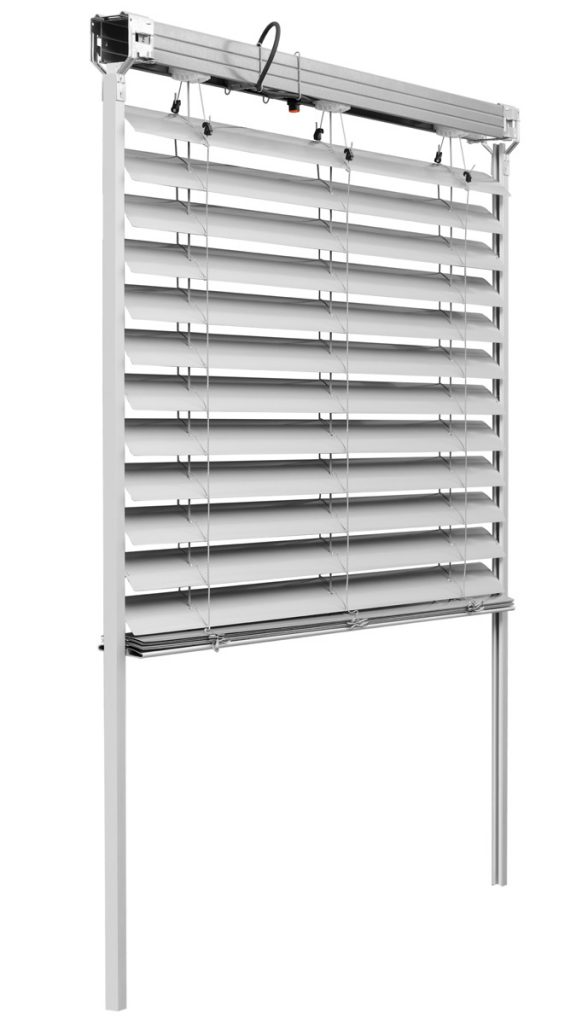
The range at a glance
Aluflex – flat, flexible slats for modern facades
The most flexible slat in the Griesser family, Aluflex uses flat aluminium blades that bend under load without crimping – ideal for sites where gusting or vortex shedding is expected.
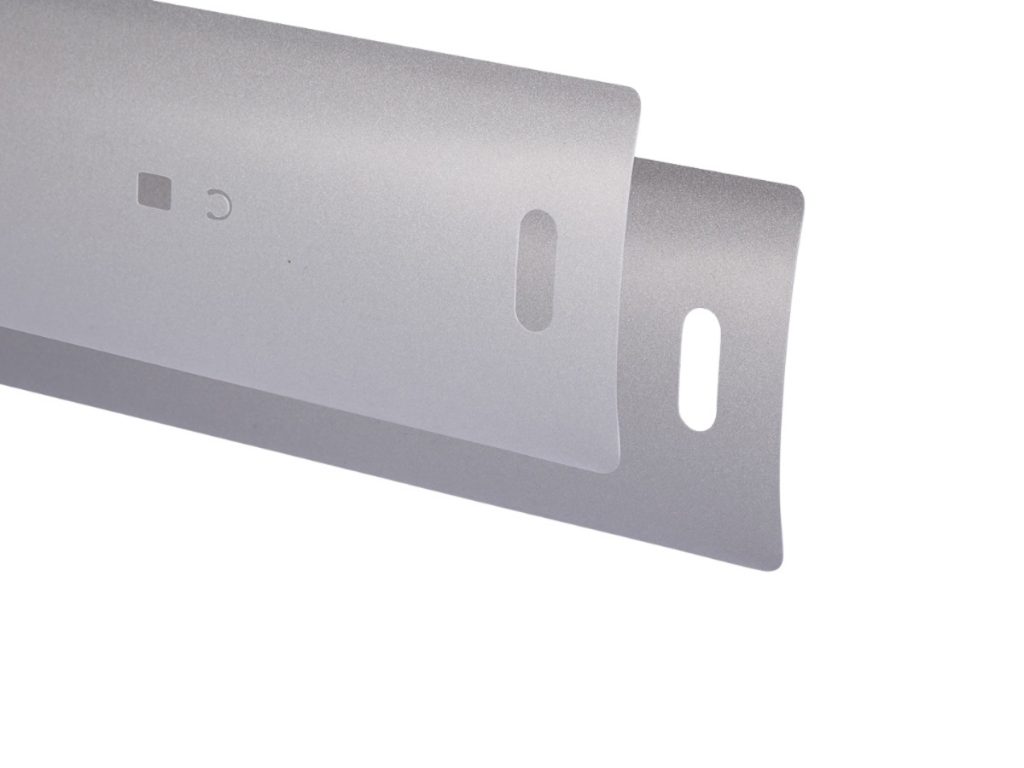
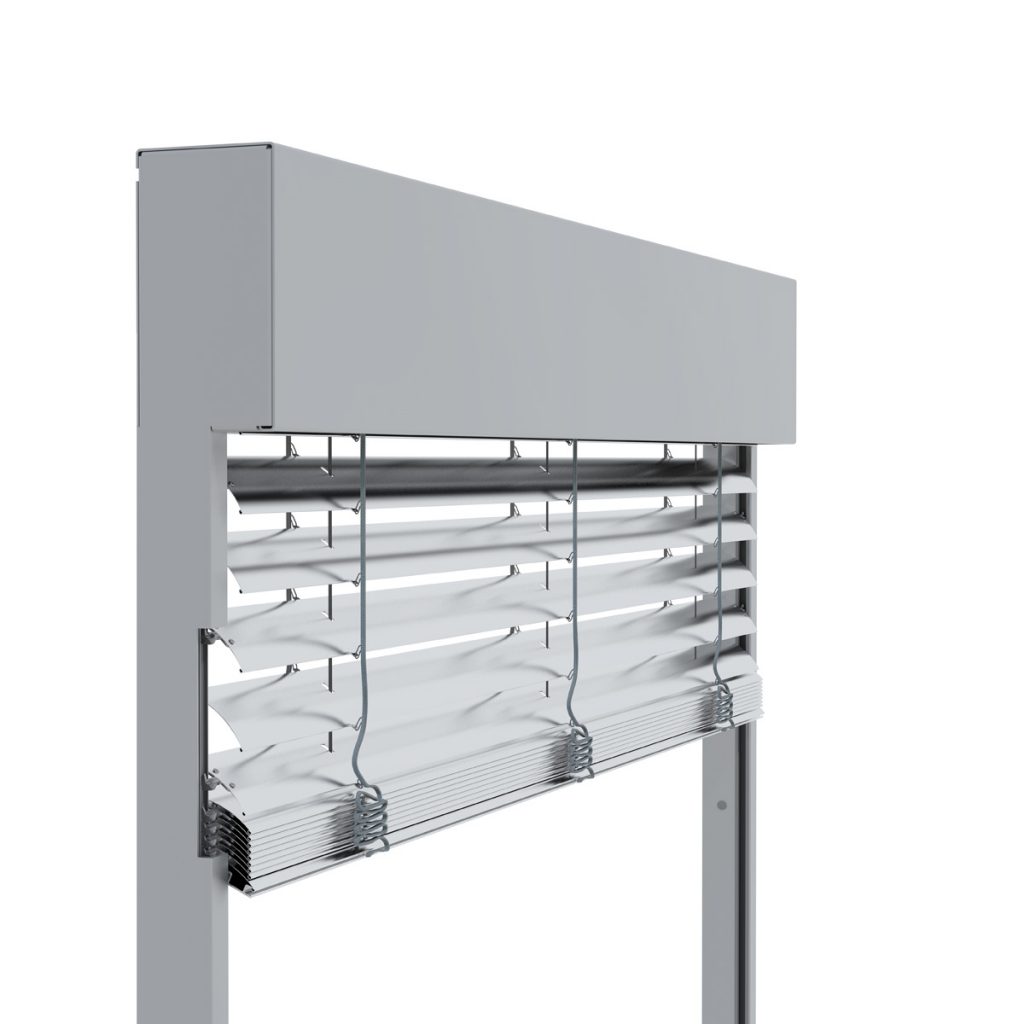
Solomatic II — Classic Rolled Edge Slat With Kevlar Precision
Each slat is directly linked to Kevlar-reinforced adjusting cords for dimensional stability and long-term accuracy. Two variants target different build scenarios.
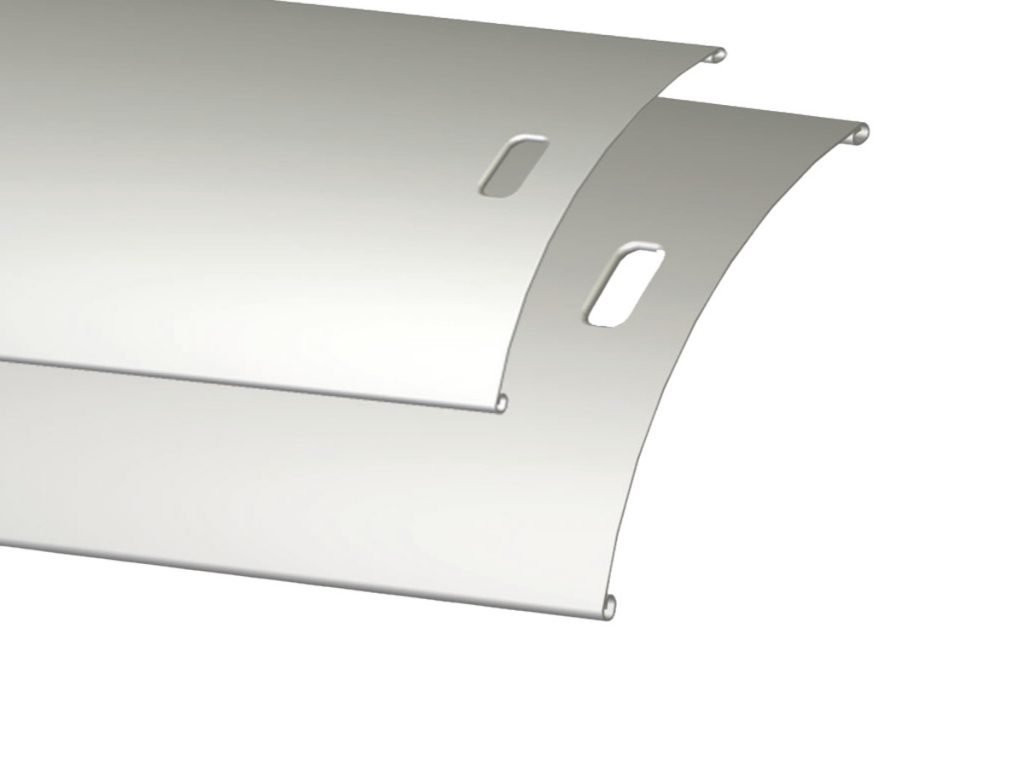
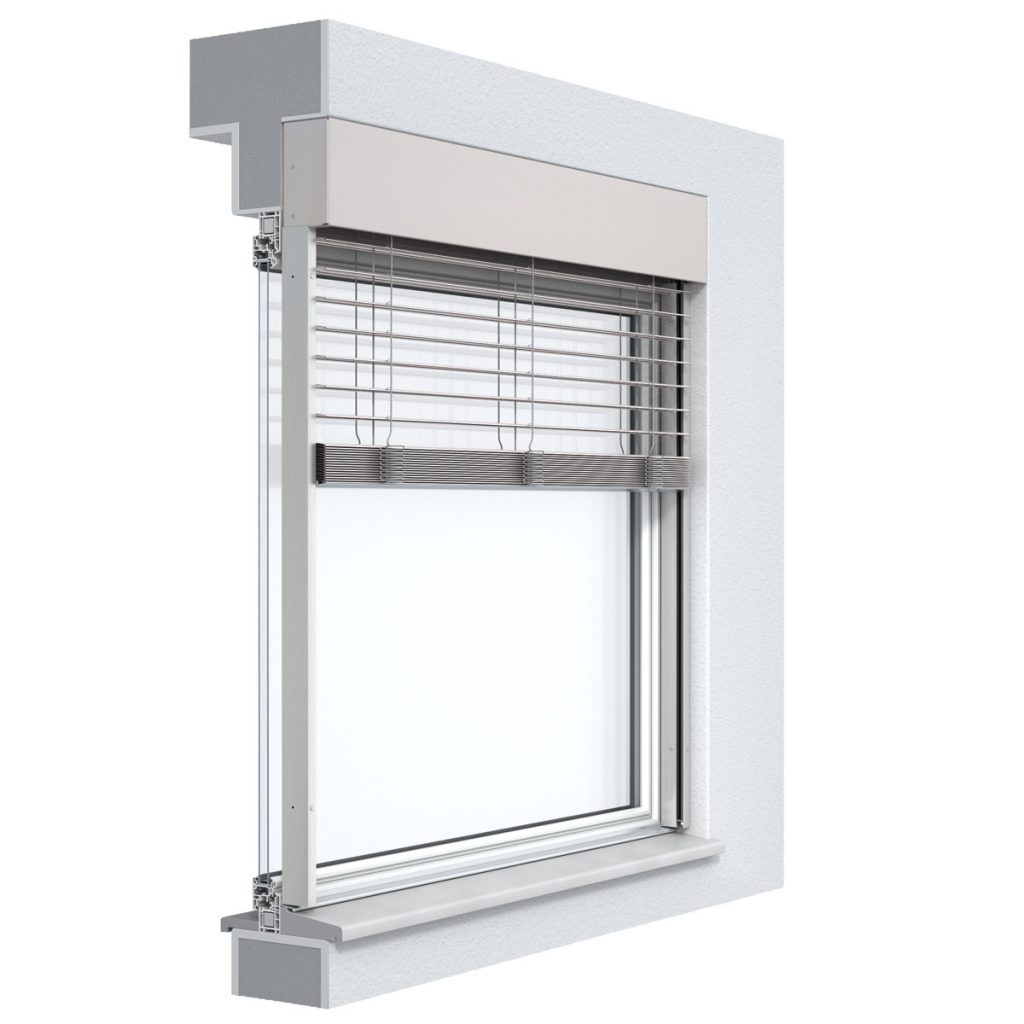
Lamisol III — Z-blade control with vento for extreme winds
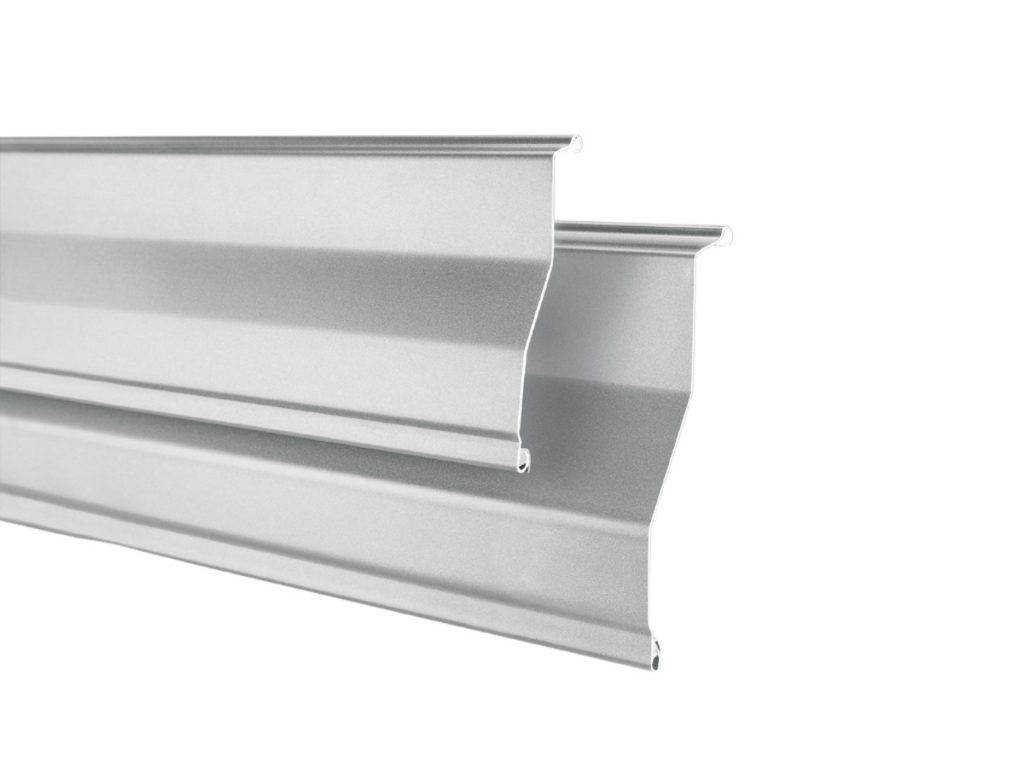
Griesser’s best-seller uses a Z-profile for tight closure and quiet operation, with Lamisol Reflect dividing the curtain into zones: glare control in the lower field, soft daylight mid-field, and upward redirection to drive light deeper into the room. For exposed sites, Lamisol Vento adds reinforcement to resist winds up to 120 km/h (width-dependent).
Pelmets, covers and integration
Griesser offers cover plates and boxed headboxes to suit architectural intent and serviceability:
Motorisation and automation
Motorisation is available for all models with control paths to suit project scale:
Materials, coatings and durability
Slats are aluminium with baked-enamel finishes across the standard palette and customs. ProtectPlus adds corrosion protection in aggressive atmospheres. Mechanical elements—such as Kevlar-reinforced cords, stainless-steel hooks and high-temperature-rated pivot bearings—are selected for long service intervals. Systems are tested to ~20,000 cycles (model-dependent), supporting maintenance planning in asset portfolios.
Colour strategy: make Bicolor work harder
With 150+ standards plus GriRAL RAL and GriColor custom matching, BiColor lets the exterior read as architecture while the interior reads as furniture. That means fewer compromises between planning disciplines, especially on mixed-use projects where facade continuity and tenant fit-out identity both matter. Note: in BiColor, a fine line of the external shade remains visible on the room side of each slat – coordinate early with the interiors team.
Specification and delivery support
Blinds by Peter Meyer backs the range with trade-ready resources:
“Now specifying in Australia and New Zealand, Griesser External Venetian Blinds give architects, builders and installers a robust, configurable facade shading platform that improves thermal comfort, reduces energy use and elevates daylight quality – without compromising the design language of the building,” Meyer concludes.